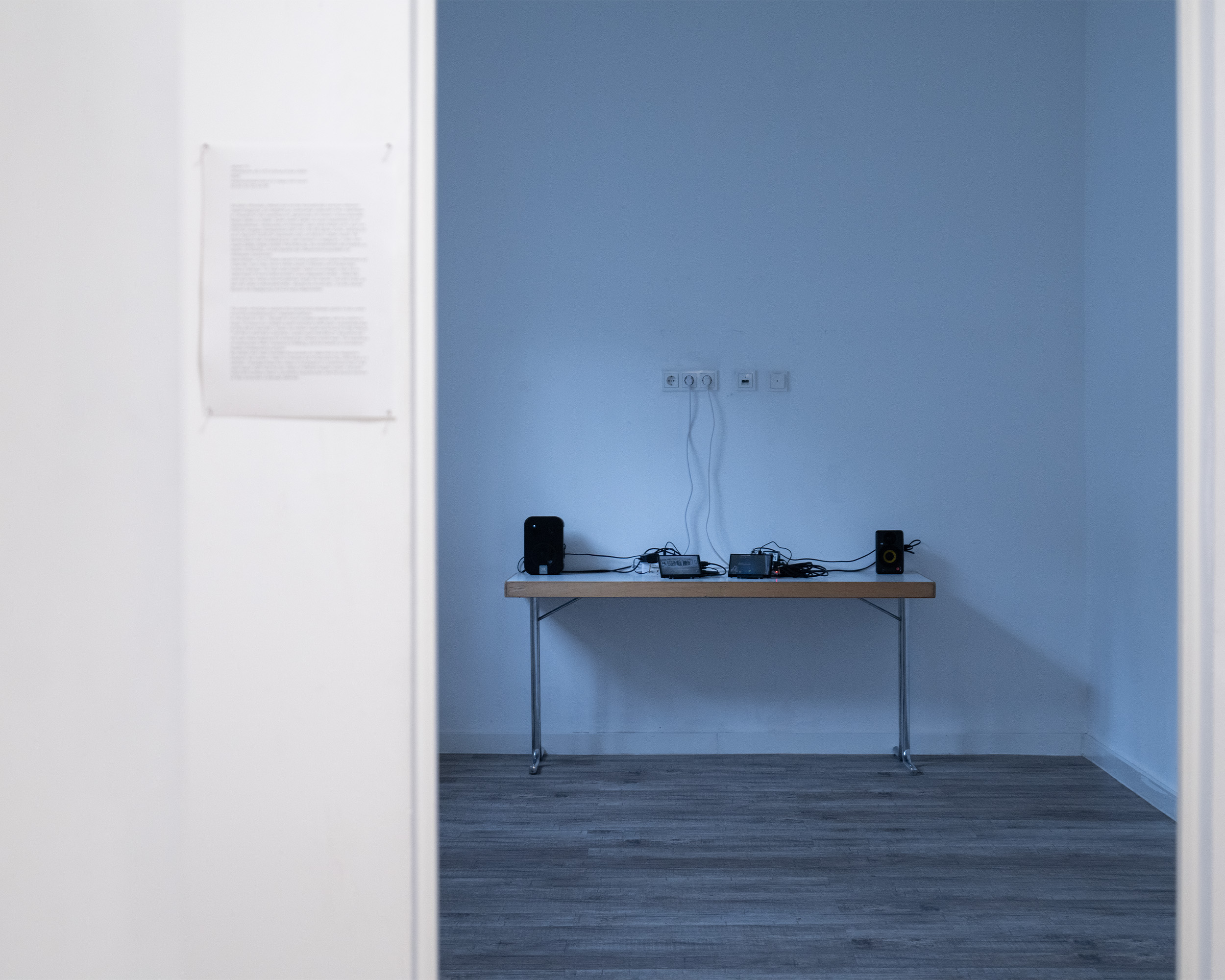
Zentral um „Promise“ wiederholt Yii eine bestimmte Handlung. Er verabredet sich mit Menschen, zu denen er in Beziehung steht, an einem bestimmten Tag zu einer bestimmten Uhrzeit dieselbe Handlung auszuführen, und setzt diese Vereinbarung um.
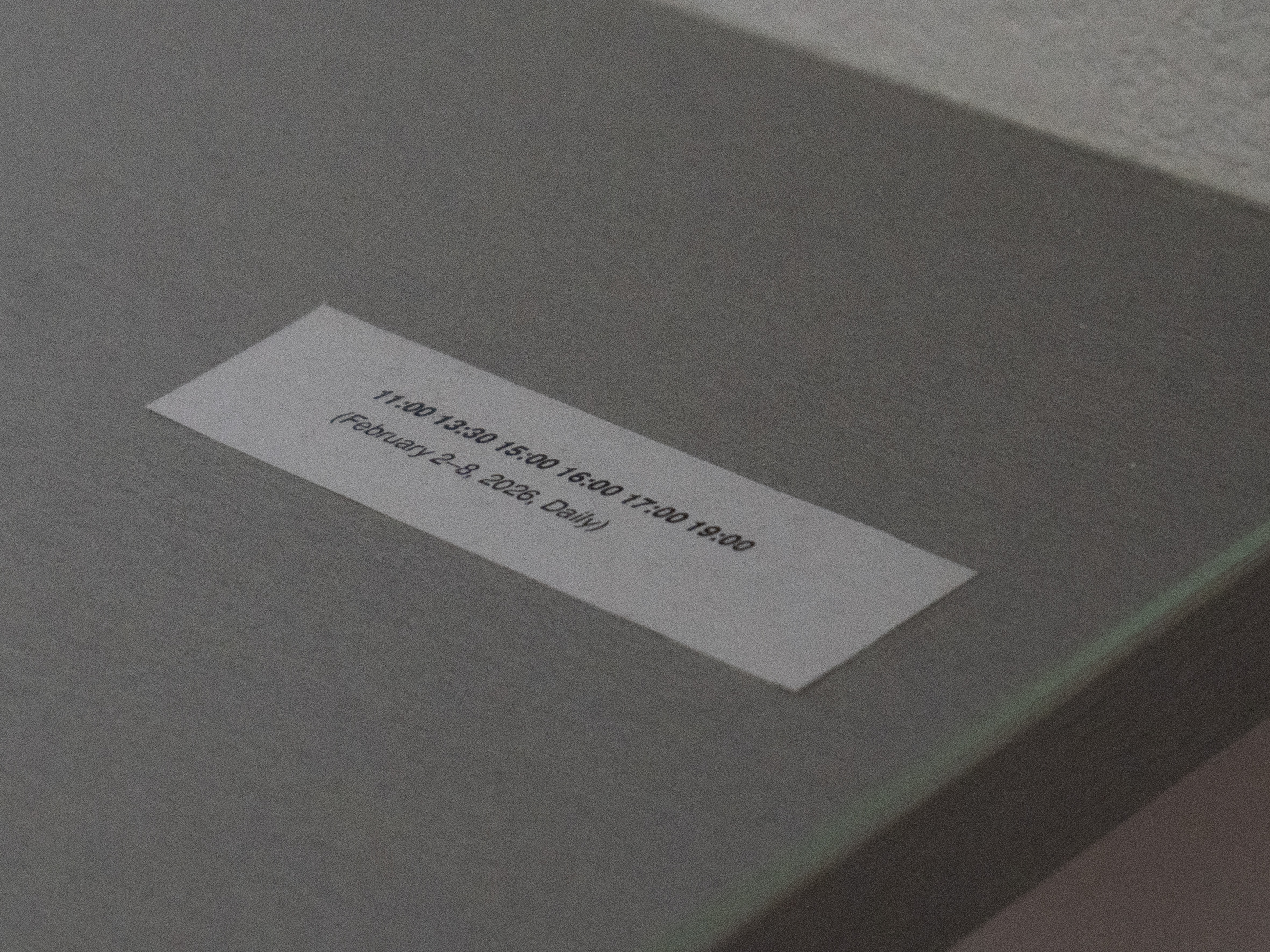
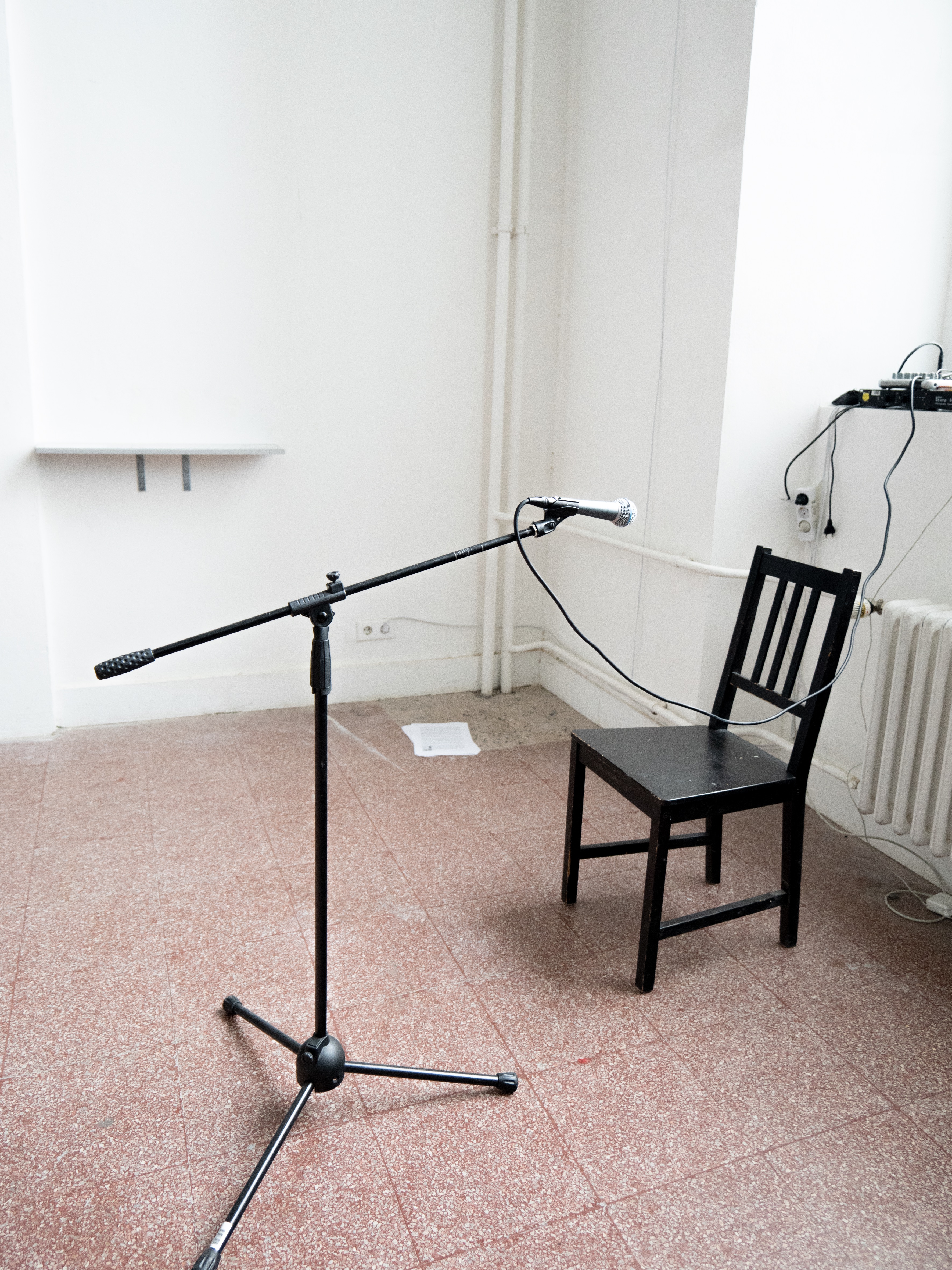
Im Rahmen des Kunstakademie Rundgangs 2026 wurde diese Arbeit dem Publikum erstmals in Form einer Performance präsentiert. In dieser Ausstellung führte Yii die Nummern 1 bis 42 von Promise vor den Besucher:innen aus.
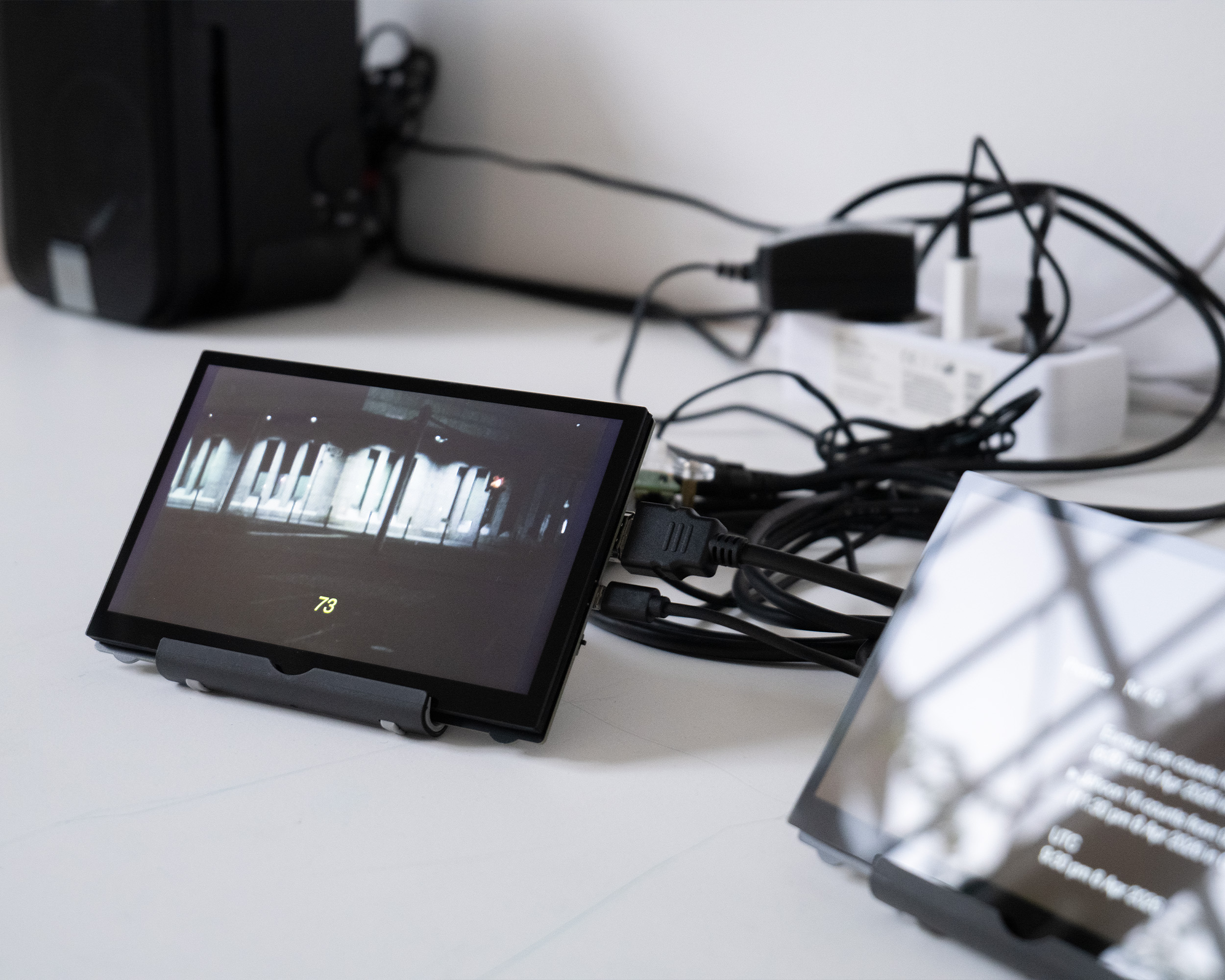
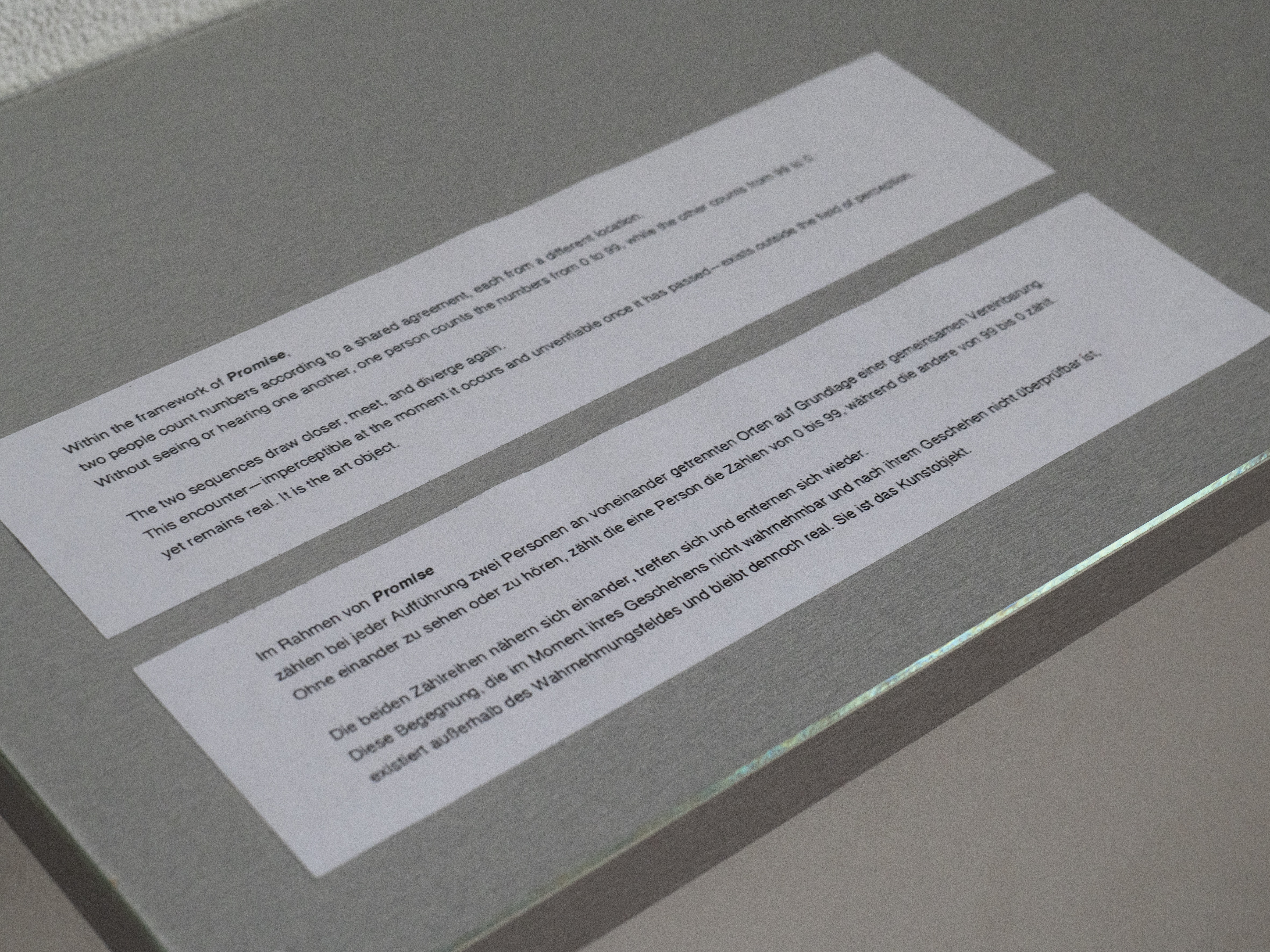
Der für diese Präsentation vorbereitete Inhalt der Vereinbarungen war folgender: Yii verabredet sich mit ihm nahestehenden Personen, zu einem festgelegten Datum und Zeitpunkt gemeinsam zu zählen. Zur vereinbarten Zeit zählt Yii an dem Ort, an dem er sich befindet, von 99 bis 0. Die andere Person zählt zur gleichen Zeit an einem anderen Ort – an dem Ort, an dem sie sich zu diesem Zeitpunkt selbstverständlich aufhält – von 0 bis 99.
Die beiden Zahlenfolgen, die sich in entgegengesetzte Richtungen bewegen, erzeugen in einem Moment eine Übereinstimmung der Zahlen. Diese Übereinstimmung wird weder von Yii noch von der anderen Person wahrgenommen. Dennoch handelt es sich um ein tatsächlich stattfindendes Ereignis. Als ein „außerhalb der Wahrnehmung liegendes Ding“ tritt es im Kontext der Arbeit auf und erscheint darüber hinaus als ein konzeptuelles Kunstobjekt.
Durch diese Praxis zeigt Yii eine Geste, in der sich die Intentionalität des Bewusstseins auf eine Welt richtet, die außerhalb der wahrgenommenen Welt liegt, also jenseits der eigenen sinnlichen Erfahrung.
Centering on the work “Promise,” Yii repeats a specific action. He arranges with people he is in a relationship with to perform the same action at a specific date and time, and then carries out this agreement.
Within the framework of the Kunstakademie Rundgang 2026, this work was presented to the public for the first time in the form of a performance. In this exhibition, Yii performed numbers 1 to 42 of Promise in front of the visitors.
The content of the agreements prepared for this presentation was as follows: Yii makes an appointment with people close to him to count together at a fixed date and time. At the agreed time, Yii counts from 99 to 0 at the location where he is. At the same time, the other person counts from 0 to 99 at a different location—the place where they are naturally staying at that time.
The two sequences of numbers, moving in opposite directions, create a coincidence of numbers at one specific moment. This coincidence is perceived neither by Yii nor by the other person. Nevertheless, it is an event that actually takes place. As a “thing lying outside of perception,” it occurs within the context of the work and, moreover, appears as a conceptual art object.
Through this practice, Yii demonstrates a gesture in which the intentionality of consciousness is directed towards a world that lies outside the perceived world—that is, beyond one’s own sensory experience.
연작 <Promise(약속)>의 중심에서 이제훈은 특정한 행위를 반복한다. 그는 자신과 관계를 맺고 있는 사람들과 특정 날짜, 특정 시간에 동일한 행위를 수행하기로 약속하고, 이 약속을 실행에 옮긴다.
2026년 쿤스트아카데미 룬트강(Rundgang)의 일환으로 이 작업은 퍼포먼스의 형태로 관객들에게 처음 공개되었다. 이 전시에서 이제훈은 관람객들 앞에서 <Promise(약속)>의 1번부터 42번까지를 수행했다. 발표를 위해 준비된 약속의 내용은 다음과 같았다. 이제훈은 지인들과 정해진 날짜와 시간에 함께 숫자를 세기로 약속한다. 약속된 시각이 되면 이제훈은 자신이 위치한 장소에서 99부터 0까지 숫자를 거꾸로 센다. 같은 시각, 상대방은 다른 장소—그가 그 시간에 머물고 있는 일상적인 공간—에서 0부터 99까지 숫자를 정방향으로 센다. 서로 반대 방향으로 움직이는 두 숫자의 배열은 어느 한 순간 일치하게 된다. 이 일치의 순간은 이제훈도, 상대방도 지각하지 못한다. 그럼에도 불구하고 이는 실제로 발생하는 사건이다. 이 사건은 '지각의 범주 바깥에 존재하는 것'으로서 작품의 맥락 속에 등장하며, 나아가 하나의 개념적 예술 오브제로 제시된다. 이러한 실천을 통해 이제훈은 의식의 지향성이 지각된 세계 너머의 세계, 즉 개인의 감각적 경험 너머를 향하는 하나의 몸짓(Geste)을 보여준다.
46 (UTC) 10:33 14 Apr 2026 with Hyemin Nam
45 (UTC) 09:15 12 Apr 2026 with Sujin Lee
44 (UTC) 15:30 11 Apr 2026 with Jinho Choi
43 (UTC) 21:30 8 Apr 2026 with Eunsug Lee
-
Rundgang 2026 Kunstakademie Düsseldorf
42 19:02 8 Feb 2026 with Hyemin Nam
41 17:02 8 Feb 2026 with Jessica Tille
40 16:02 8 Feb 2026 with Camille Batteux (sub)
39 15:02 8 Feb 2026 with Nadine Karl
38 13:32 8 Feb 2026 with Pan Ren
37 11:02 8 Feb 2026 with Pan Ren
36 19:02 7 Feb 2026 with Oliver Bleckmann
35 17:02 7 Feb 2026 with Jinho Choi
34 16:02 7 Feb 2026 with Camille Batteux
33 15:02 7 Feb 2026 with Nadine Karl (sub)
32 13:32 7 Feb 2026 with Nils-Simon Fischer
31 11:02 7 Feb 2026 with Hyunjeong Park
30 19:02 6 Feb 2026 with Oliver Bleckmann
29 17:02 6 Feb 2026 with Sungwan Park
28 16:02 6 Feb 2026 with Inyoung Jung
27 15:02 6 Feb 2026 with Eunju Ko
26 13:32 6 Feb 2026 with Hyunjeong Park
25 11:02 6 Feb 2026 with Taemin Lee
24 19:02 5 Feb 2026 with Janina Kempkens
23 17:02 5 Feb 2026 with Nadine Karl
22 16:02 5 Feb 2026 with Saskia Kaiser
21 15:02 5 Feb 2026 with Jessica Tille
20 13:32 5 Feb 2026 with Junkyu Lee
19 11:02 5 Feb 2026 with Nils-Simon Fischer
18 19:02 4 Feb 2026 with Beate Hömberg
17 17:02 4 Feb 2026 with Jongmo You
16 16:02 4 Feb 2026 with Sehyeong Lee
15 15:02 4 Feb 2026 with Philipp Boshart
14 13:32 4 Feb 2026 with Junkyu Lee
13 11:02 4 Feb 2026 with Janina Kempkens
12 19:02 3 Feb 2026 with Jongmo You
11 17:02 3 Feb 2026 with Sehyeong Lee
10 16:02 3 Feb 2026 with Haiqing Wang
09 15:02 3 Feb 2026 with Philipp Boshart
08 13:32 3 Feb 2026 with Dongyoung Lee
07 11:02 3 Feb 2026 with Jinyoung Kim
06 19:02 2 Feb 2026 with Hyemin Nam
05 17:02 2 Feb 2026 with Eunju Ko (sub)
04 16:02 2 Feb 2026 with Haiqing Wang
03 15:02 2 Feb 2026 with Sophie Schweighart
02 13:32 2 Feb 2026 with Sophie Schweighart
01 11:02 2 Feb 2026 with Jinyoung Kim
The Register of Promises
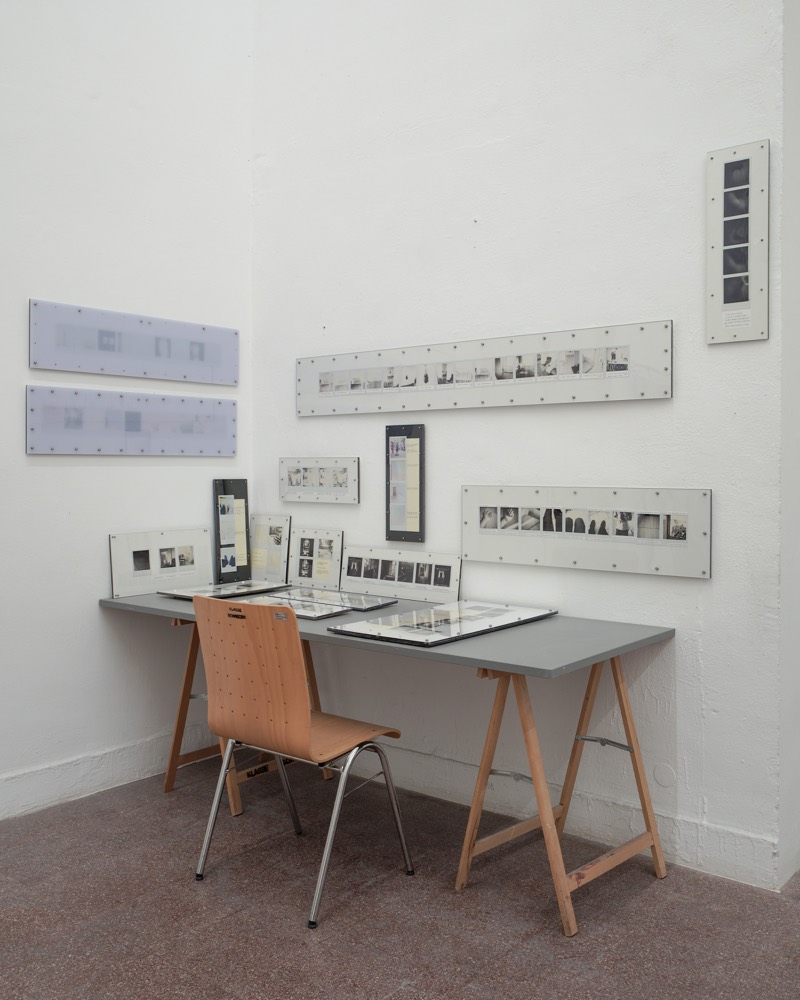
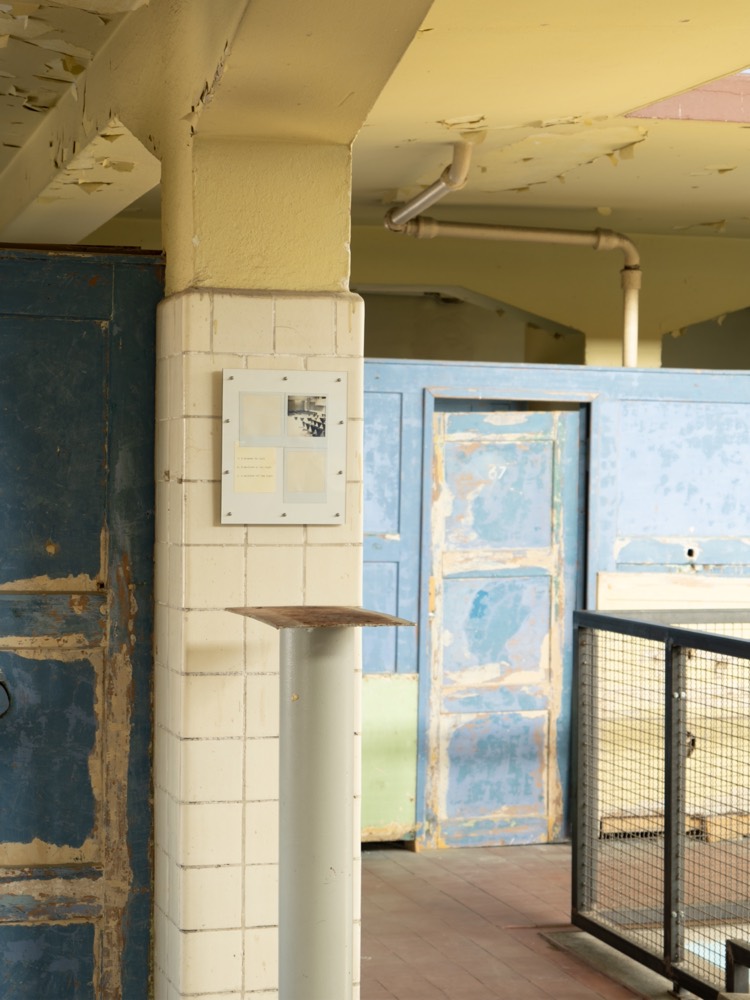
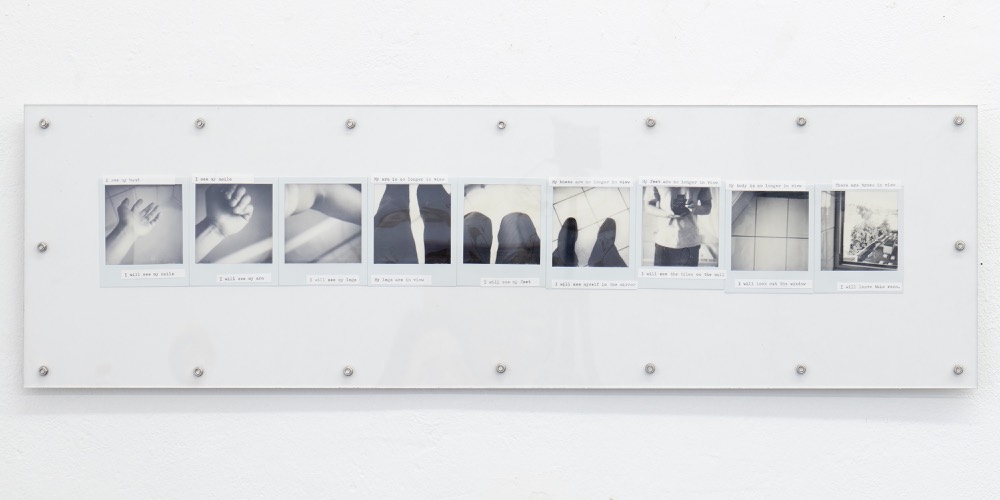
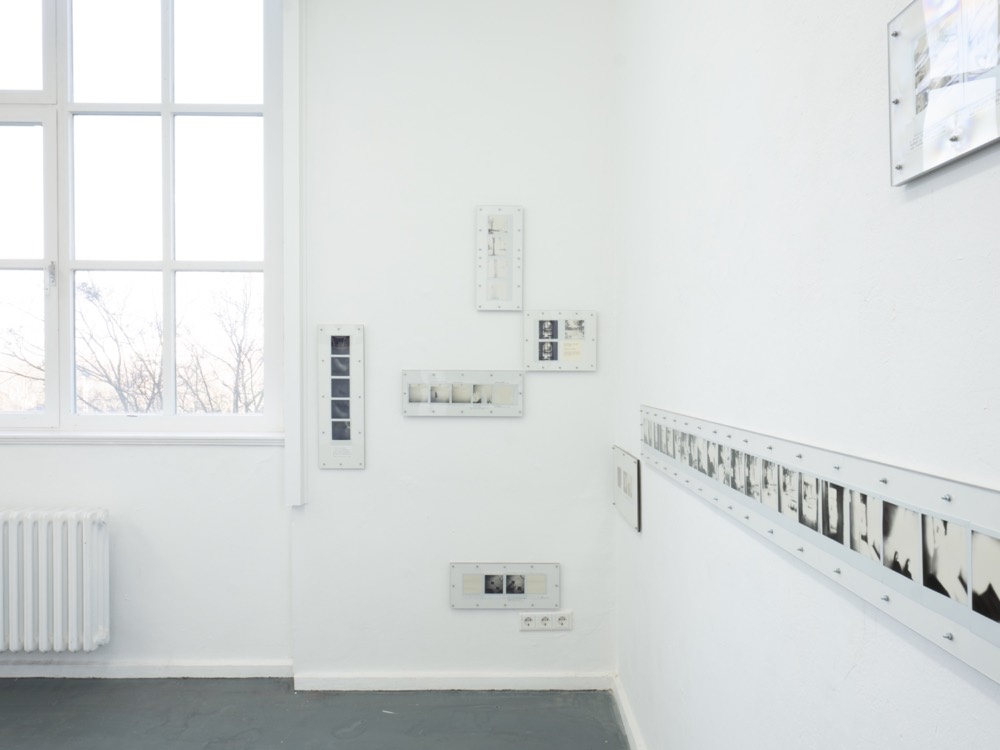
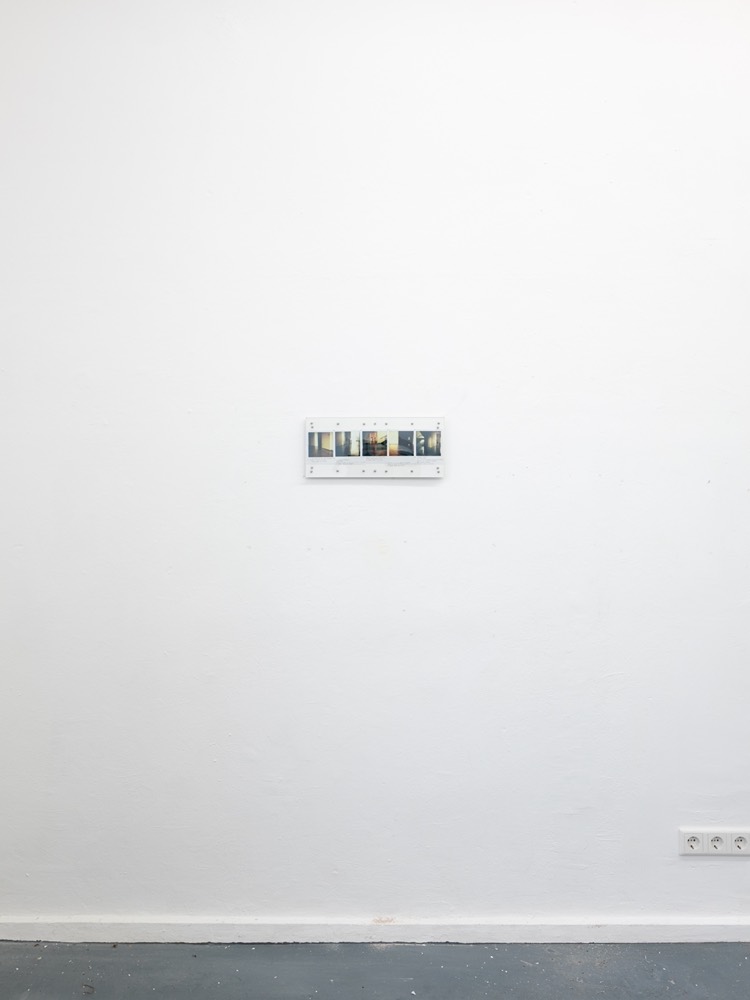
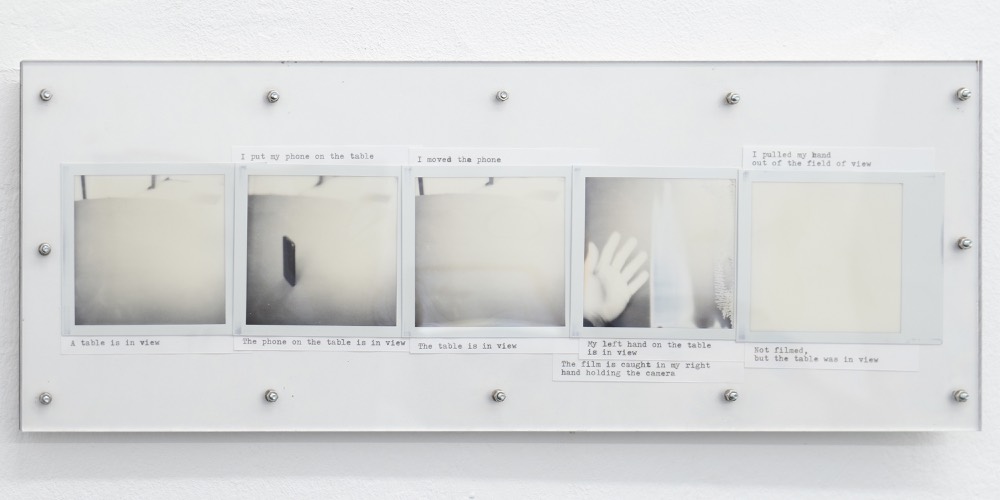
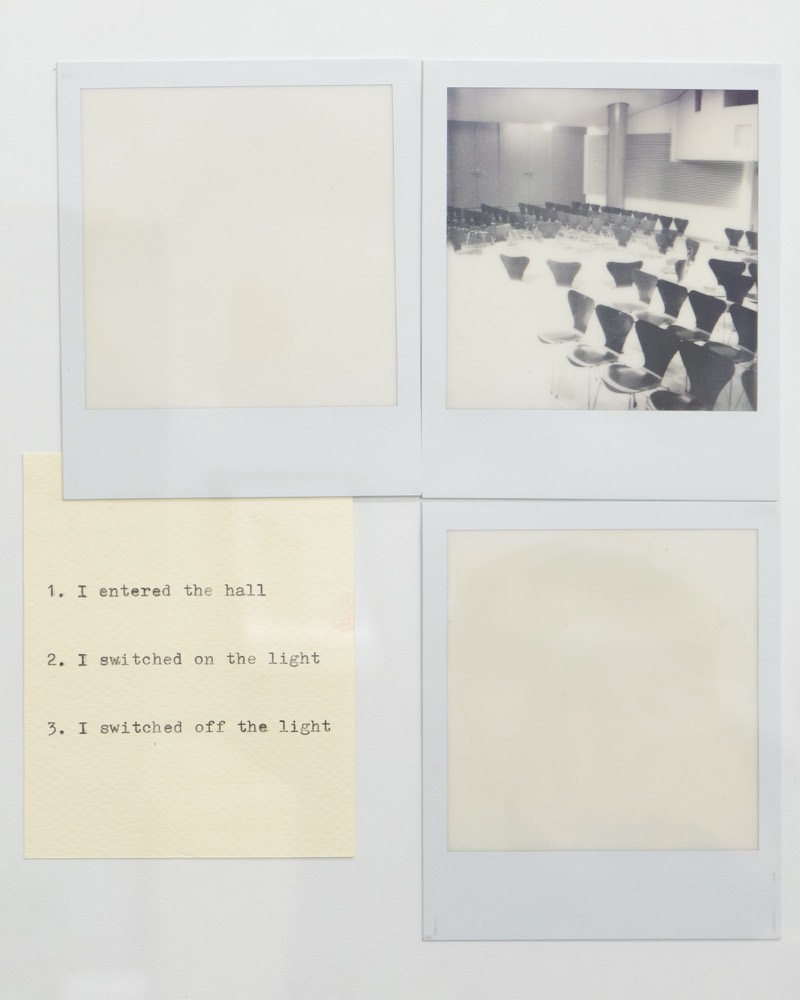
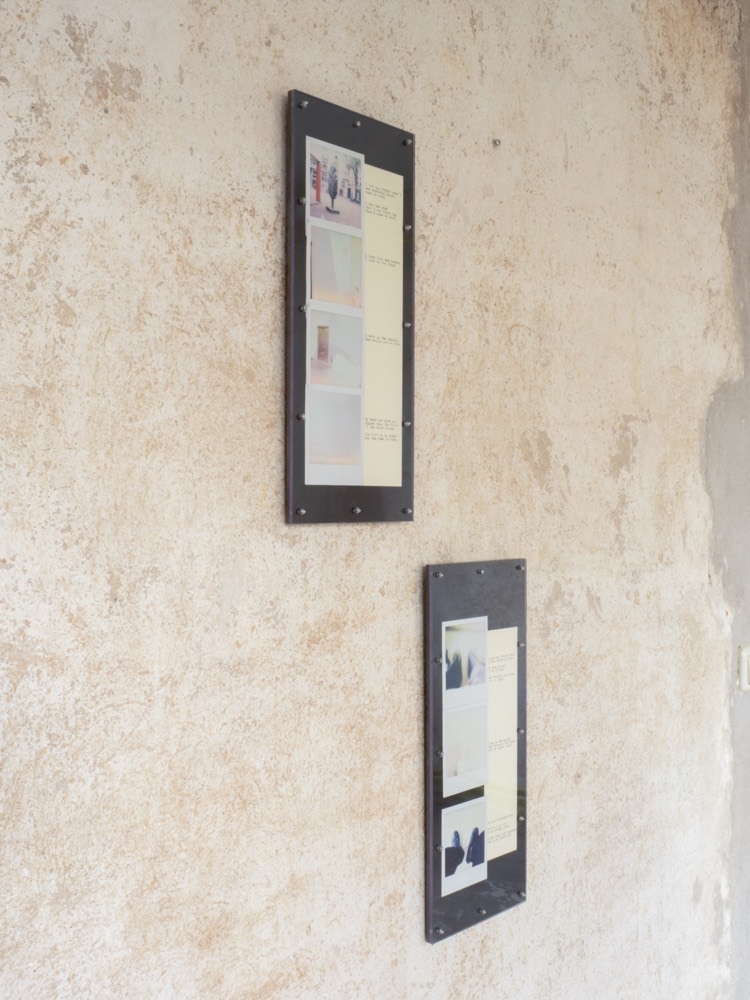
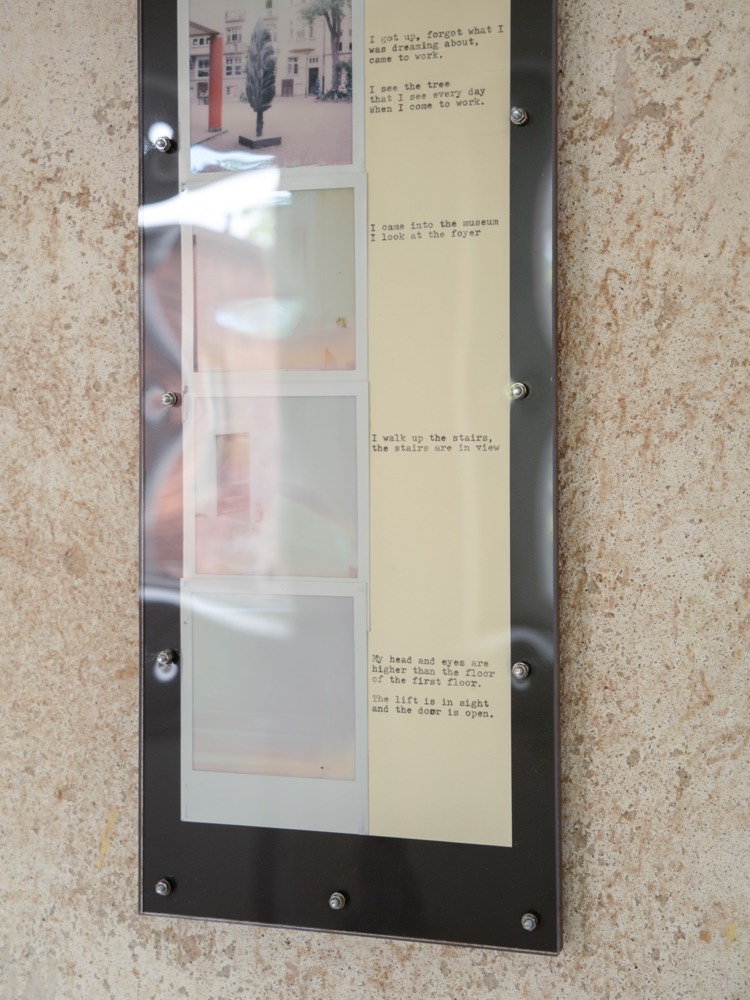
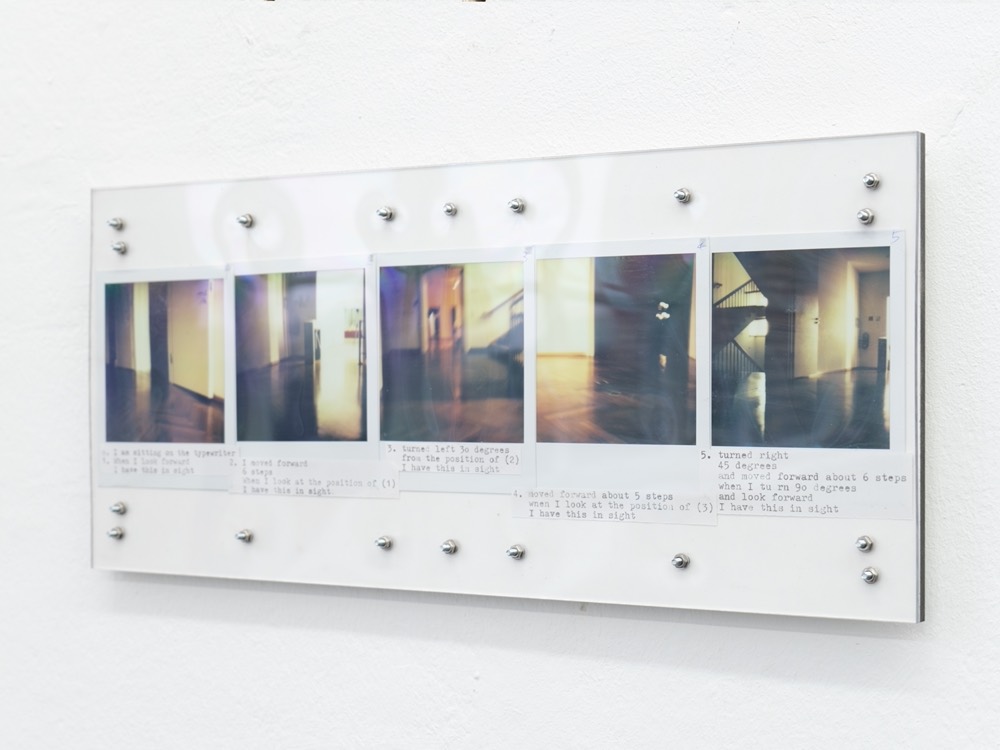
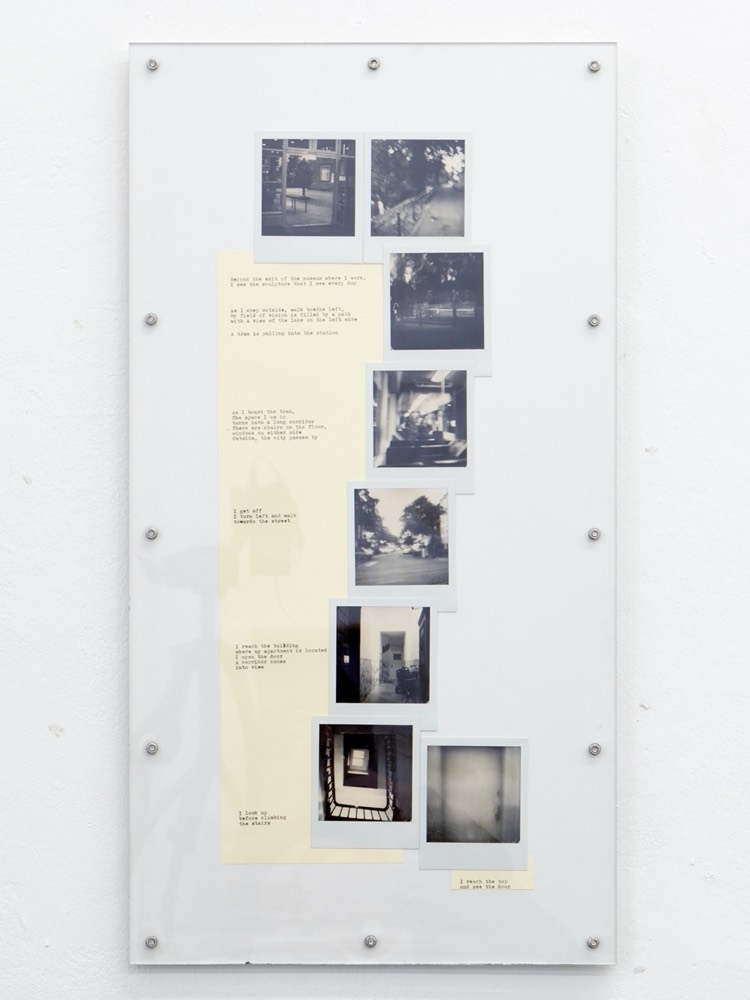
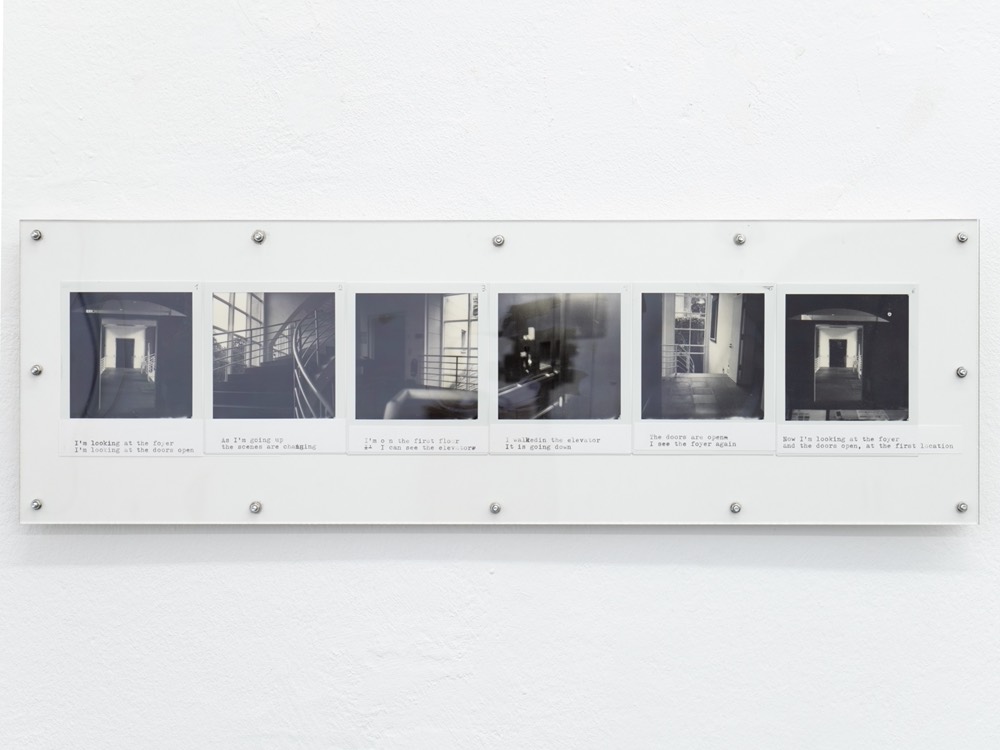
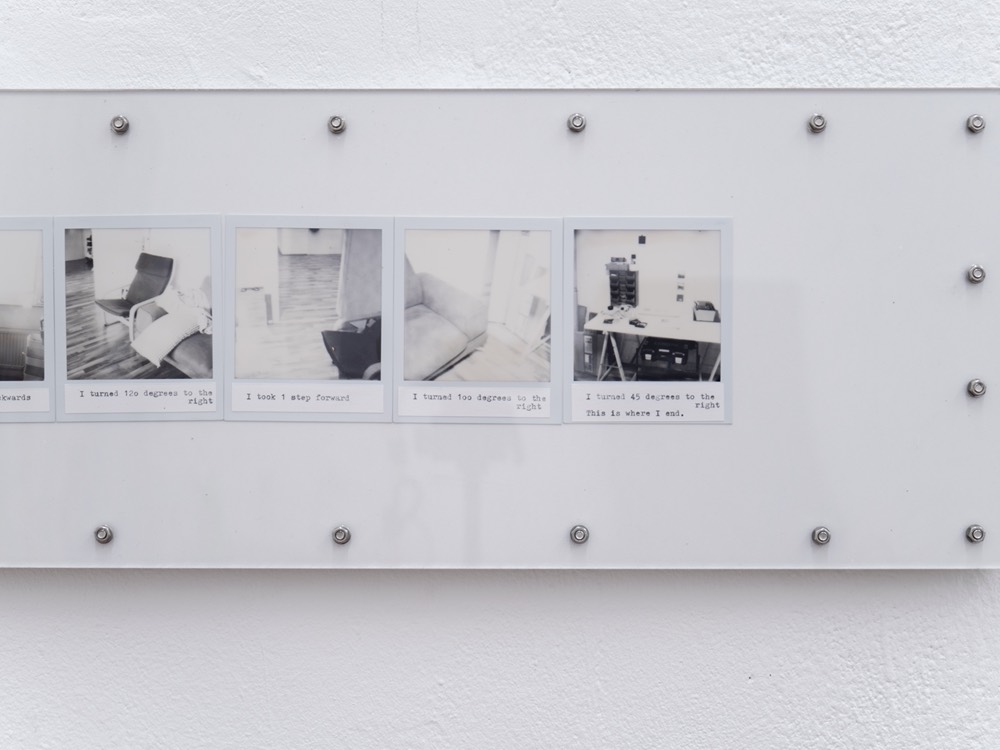
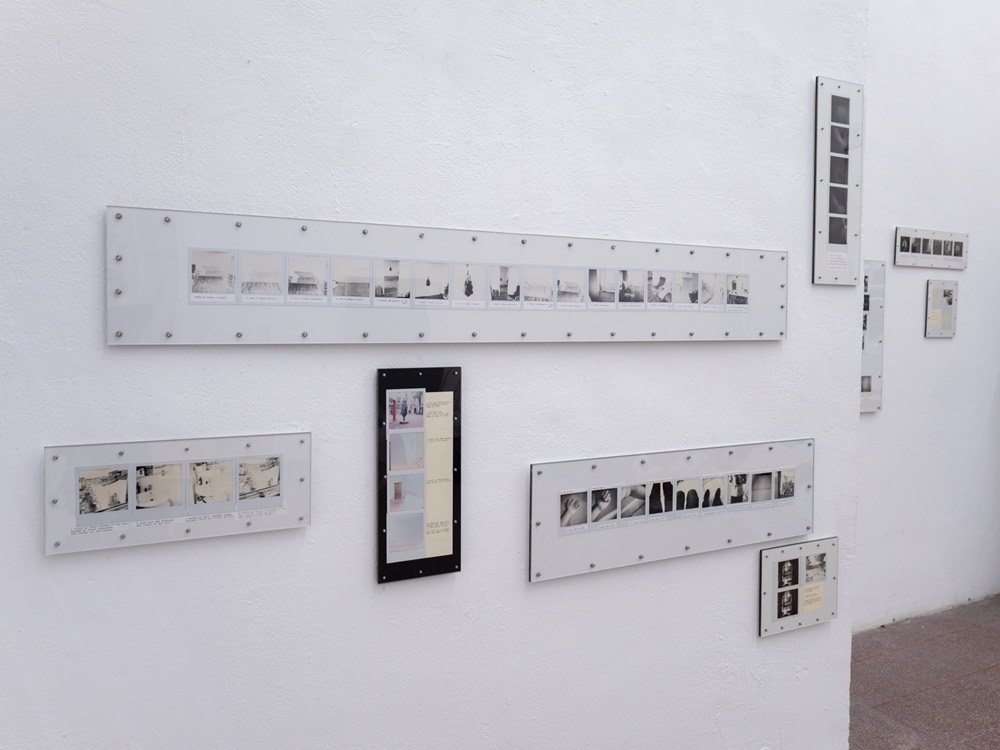
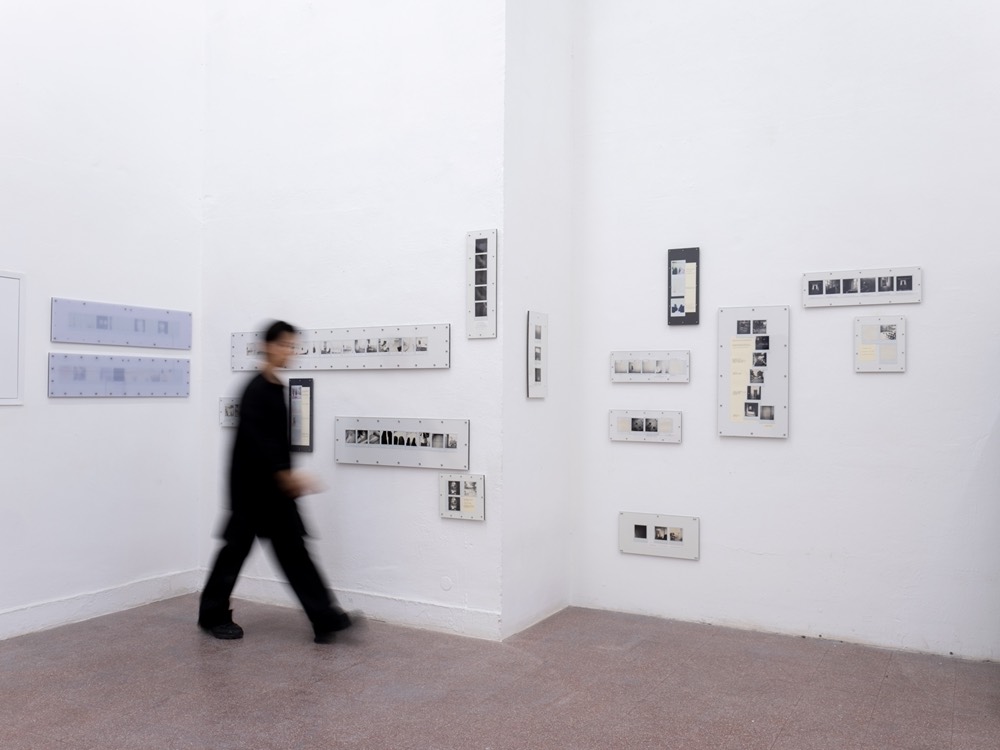
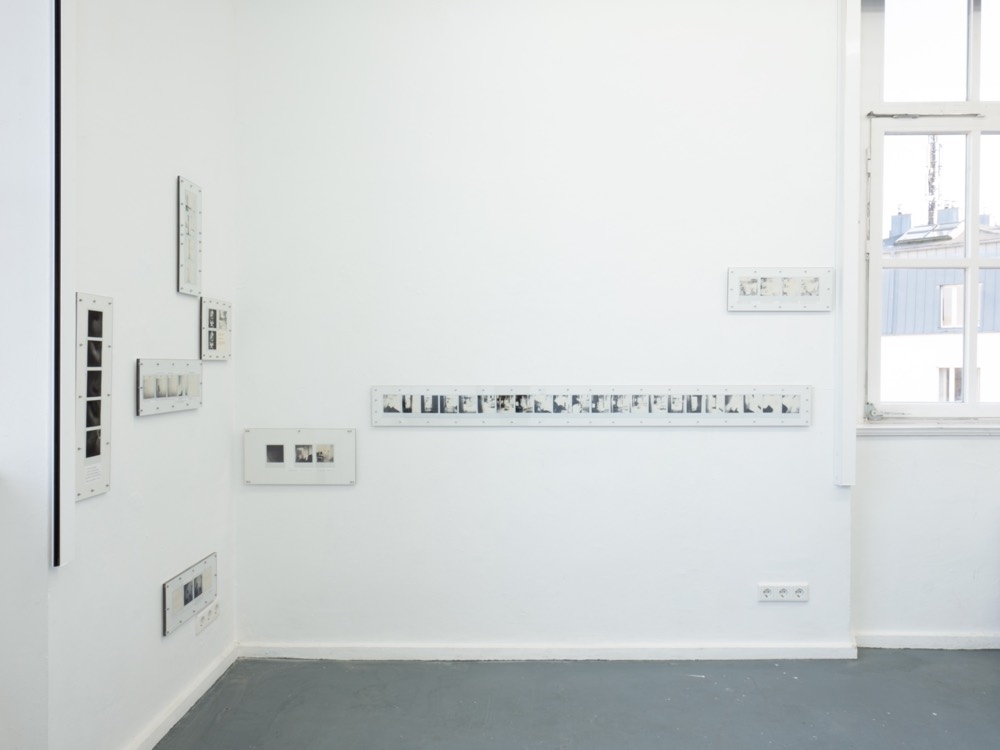
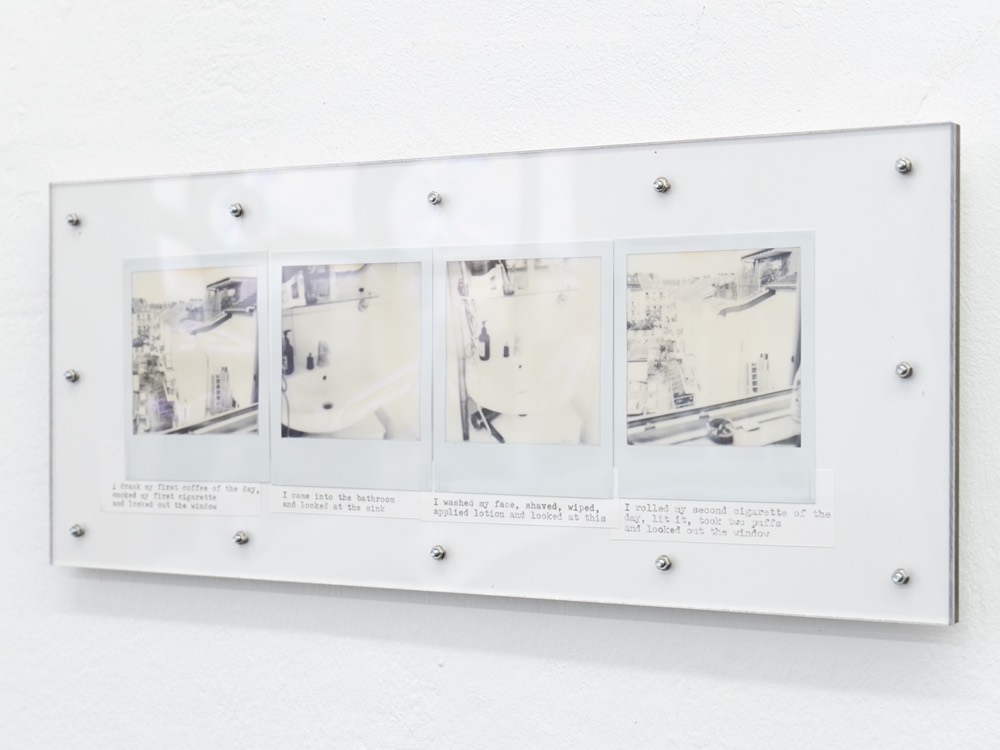
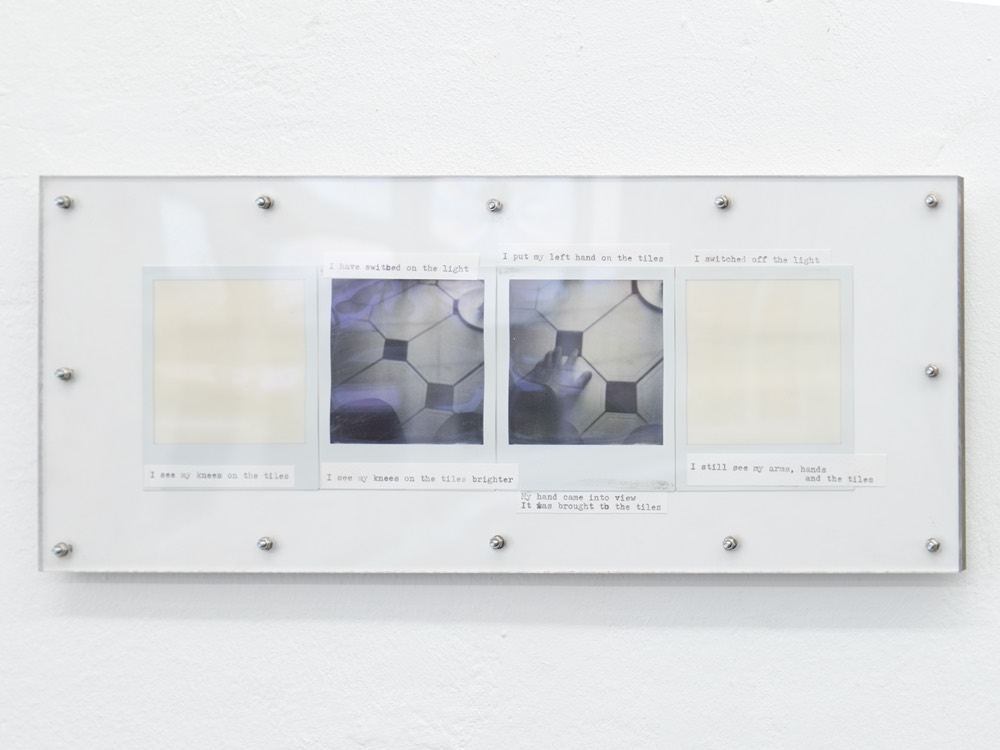
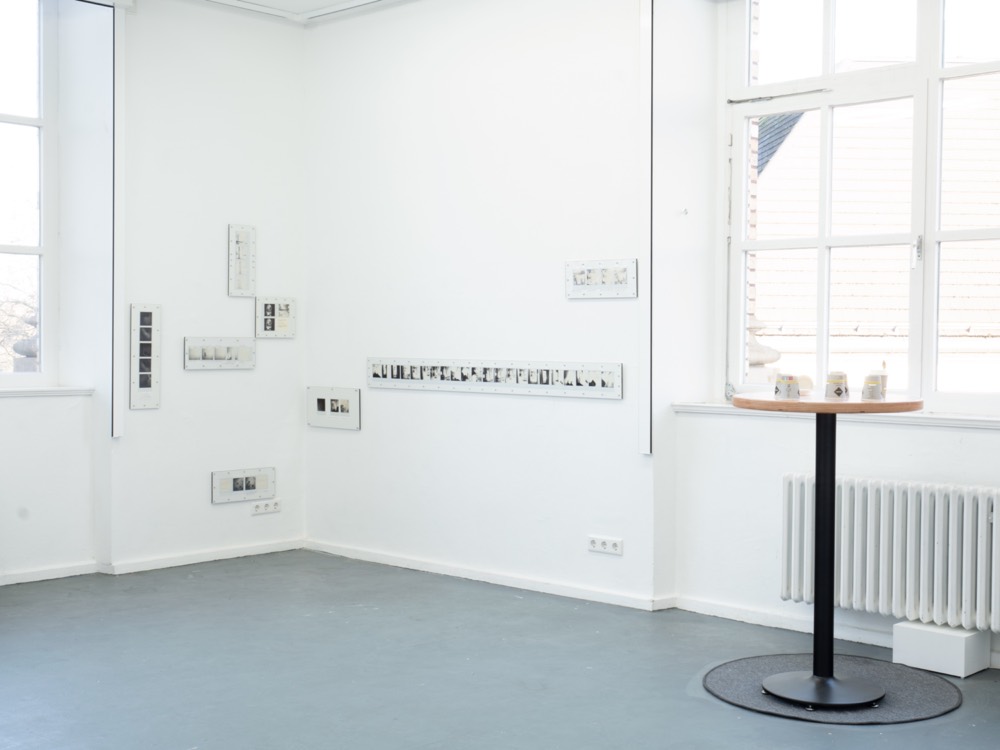
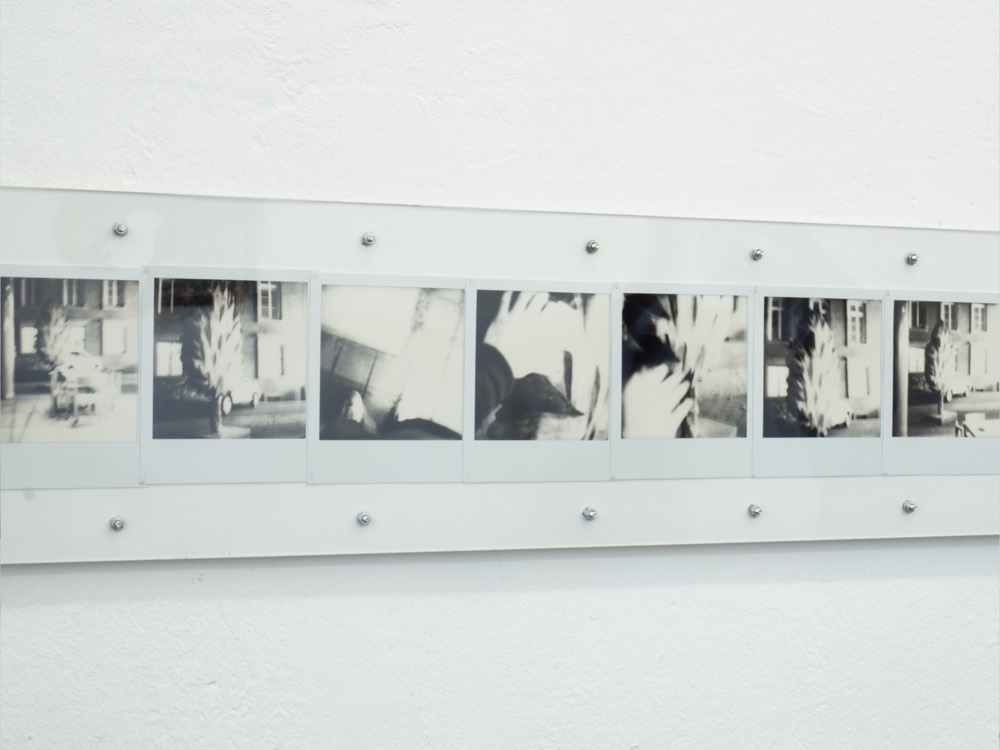
My ongoing series Executions (2024–) presents a succession of performances, each sealed into a discrete unit—an Abschnitt.
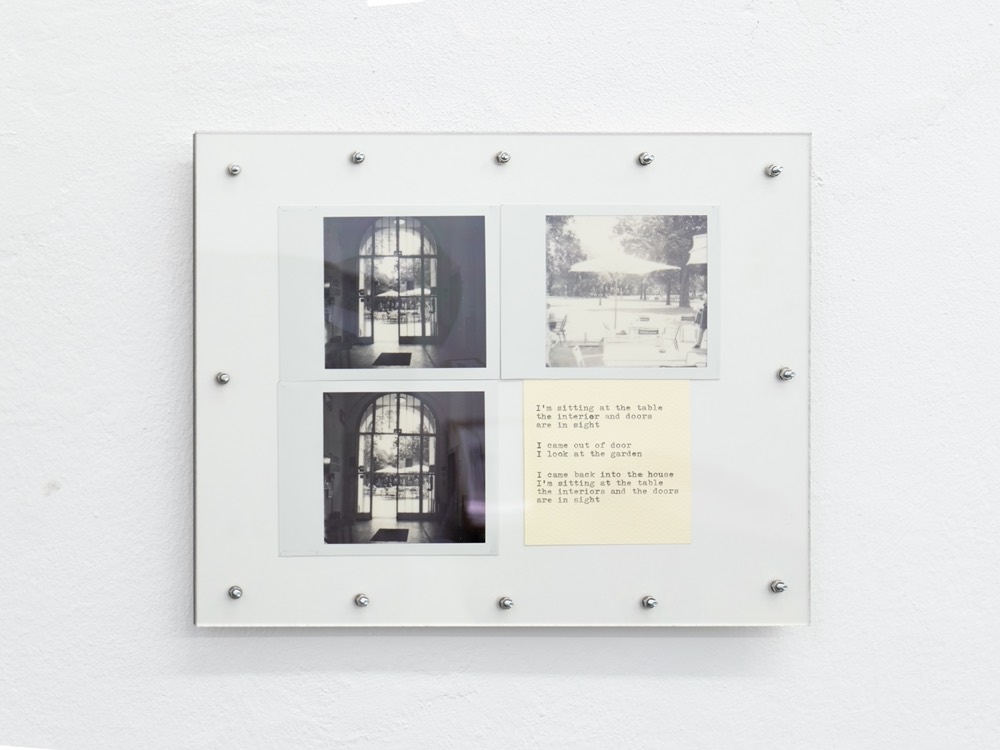
A performance here means observing the chain of changes that unfolds as I move through space: objects entering and leaving my field of vision, drawing near or receding, expanding or contracting. Tracking the relationship between my gaze and my body as I face these objects, I press the shutter and write. The instant photographs and texts that emerge are fixed together on a single plate, completing each performance as its own passage.
Within this work, I observe—from a remove—how intention becomes action, and action becomes experience. It is an act of looking: at oneself and at things, as bodies existing within the spacetime continuum, at the point where the unceasing movement of the world meets the continuity of one’s senses.
연작 Executions (2024–)는 일련의 수행들을 제시한다. 각각의 수행은 하나의 완결된 단위—Abschnitt—로 봉인된다.
여기서 수행이란 내가 공간 속을 움직이며 펼쳐지는 표면적 변화의 연쇄를 관찰하는 일이다. 사물이 시야에 들어오고 나가고, 가까워지거나 멀어지고, 커지거나 작아지는. 이 사물들을 마주하며 시선과 신체의 관계를 좇는 가운데, 나는 사진을 찍고 글을 쓴다. 이렇게 나타난 즉석 사진과 텍스트는 하나의 플레이트에 함께 고정되어, 각각의 수행을 그 자체로 완결된 하나의 절로 닫는다.
이 작업 안에서 나는 의지가 행동으로, 행동이 경험으로 이어지는 연쇄적 과정을 탐구하는 동시에, 시공간 연속체 안에 함께 놓인 신체와 사물의 물리적 관계를 메타적 시선으로 관찰한다.
Die Werkreihe Executions (2024–) präsentiert eine Abfolge von Ausführungen. Jede wird in eine abgeschlossene Einheit versiegelt—einen Abschnitt.
Ausführen bedeutet hier, die Kette oberflächlicher Veränderungen zu beobachten, die sich entfalten, während ich mich durch den Raum bewege: Objekte, die in mein Blickfeld eintreten und es wieder verlassen, die sich nähern oder entfernen, die sich ausdehnen oder zusammenziehen. Indem ich die Beziehung zwischen meinem Blick und meinem Körper verfolge, während ich diesen Objekten begegne, fotografiere ich; ich schreibe. Die so entstandenen Sofortfotos und Texte werden gemeinsam auf einer Platte fixiert und schließen jede Ausführung zu einem in sich vollständigen Abschnitt.
Innerhalb dieser Arbeit untersuche ich den sequenziellen Prozess, in dem Absicht zu Handlung und Handlung zu Erfahrung wird, während ich zugleich—durch eine metakritische Perspektive—die physische Beziehung zwischen Körper und Objekt beobachte, wie sie gemeinsam im Raumzeit-Kontinuum existieren.
Video by Majd Suliman
쾰른에서의 전시가 끝난 뒤, 방바닥에 누운 몸을 촬영하다 멀찍이 신발을 신은 양 발을 보고 어느 동물을 생각했다. 어떤 동물의 두 귀. 구석에 숨어들어도 길게
삐져나오는 귀를 숨기지 못하는, 이를테면 토끼 같은 동물.
장소가 변하든 시간이 지나든, 내 몸은 언제나 나를 다시 찾는 것처럼 느껴진다. 상상 속의 토끼도 마찬가지인 셈이다. 건강한 의식이 순서, 기억, 시간 그리고 동일성 의식의 지속을 동반하는
것이라면…
지난해 <Spear>의 퍼포먼스를 수행하며, 시공을 난처럼 평평하게 굴려 펴고 돌돌 말아서 구멍 뚫는 상상을 했던 것이 다시 떠올랐다. 돌다리 위를 뛰놀 때처럼, 시간을 마음대로
건너뛰어 다니는 동물, 그리고 나인 동물. 일들이 일어날 때조차 그것들 사이에 순서가 정해지지 않는 현장을 상상하는 일은 스피어의 시간여행 놀이가 도달하는 곳보다 더 먼 곳으로 내 의식을
보내버리는 듯한 느낌이 든다.
이 동물에 관해, 이왕이면 나보다 훨씬 큰 몸을 상상하며 귀 한 짝을 내 키보다 크게 인쇄했다. 그리고 언젠가 집에 혼자 있을 때 가끔 떠올리던 동물의 이름을 주었다. 언젠가 상담을 받으러
다니시던 어머니가 집에 동물이 있으면 좋겠다고 말했을 때 누나가 페키니즈를 입양해 데리고 왔다. 그 이름이 Bunny였던 것은 나중에 기억했다.
Nachdem die Ausstellung in Köln zu Ende war, dachte ich, während ich meinen auf dem Boden
liegenden Körper fotografierte, beim Anblick meiner beiden beschuhten Füße in etwas Entfernung an ein
bestimmtes Tier. Die zwei Ohren irgendeines Tieres. Ein Tier, das seine lang herausragenden Ohren nicht
verbergen kann, selbst wenn es sich in einer Ecke versteckt, zum Beispiel so etwas wie ein Kaninchen.
Ob sich der Ort verändert oder Zeit vergeht, mein Körper fühlt sich immer so an, als würde er mich
wiederfinden. Das Kaninchen in meiner Vorstellung ist in diesem Sinne genauso. Wenn ein gesundes
Bewusstsein von der Dauer von Reihenfolge, Erinnerung, Zeit und Identitätsbewusstsein begleitet wird…
Während ich im vergangenen Jahr die Performance Spear ausführte, kam mir wieder in den Sinn, dass ich mir
vorgestellt hatte, Raumzeit wie Teig flach auszurollen, sie zusammenzurollen und ein Loch hineinzubohren.
Ein Tier, das nach Belieben durch die Zeit hin und her springt, wie beim Spielen auf Trittsteinen, und das
Tier, das ich bin. Sich einen Schauplatz vorzustellen, an dem selbst dann, wenn Dinge geschehen, keine
Reihenfolge zwischen ihnen festgelegt ist, gibt mir das Gefühl, mein Bewusstsein an einen weiter
entfernten Ort zu schicken als dorthin, wohin Spears Spiel der Zeitreise gelangt.
Was dieses Tier betrifft, stellte ich mir, wenn schon, einen Körper vor, der viel größer ist als meiner,
und druckte ein Ohr größer als meine eigene Körpergröße. Und ich gab ihm den Namen eines Tieres, an das
ich manchmal dachte, wenn ich allein zu Hause war. Irgendwann, als meine Mutter, die damals zur Theraphie
ging, sagte, es wäre gut, ein Tier im Haus zu haben, adoptierte meine ältere Schwester einen Pekinesen und
brachte ihn mit nach Hause. Dass sein Name Bunny gewesen war, erinnerte ich erst später.
After the exhibition in Cologne ended, while photographing my body lying on the floor, I
looked at my two feet in shoes from a distance and thought of a certain animal. The two ears of some
animal. An animal that cannot hide its long ears sticking out even when it hides itself in a corner,
something like a rabbit, for example.
Whether the place changes or time passes, my body always feels as if it finds me again. The rabbit in my
imagination is the same in that sense. If a healthy consciousness is accompanied by the persistence of
order, memory, time, and the consciousness of identity…
While carrying out the performance of Spear last year, I remembered again how I had imagined flattening
spacetime like dough, rolling it out, rolling it up again, and piercing a hole through it. An animal that
goes about skipping across time at will, as if playing on stepping stones, and the animal that is me. To
imagine a site where, even when things happen, no order is determined between them, feels as though it
sends my consciousness somewhere farther than the place reached by Spear's game of time travel.
As for this animal, I imagined a body much larger than mine and printed one ear larger than my height. And
I gave it the name of an animal I would sometimes think of when I was alone at home. At some point, when
my mother, who had been going to counseling, said it would be good to have an animal in the house, my
older sister adopted a Pekingese and brought it home. I remembered later that its name had been Bunny.
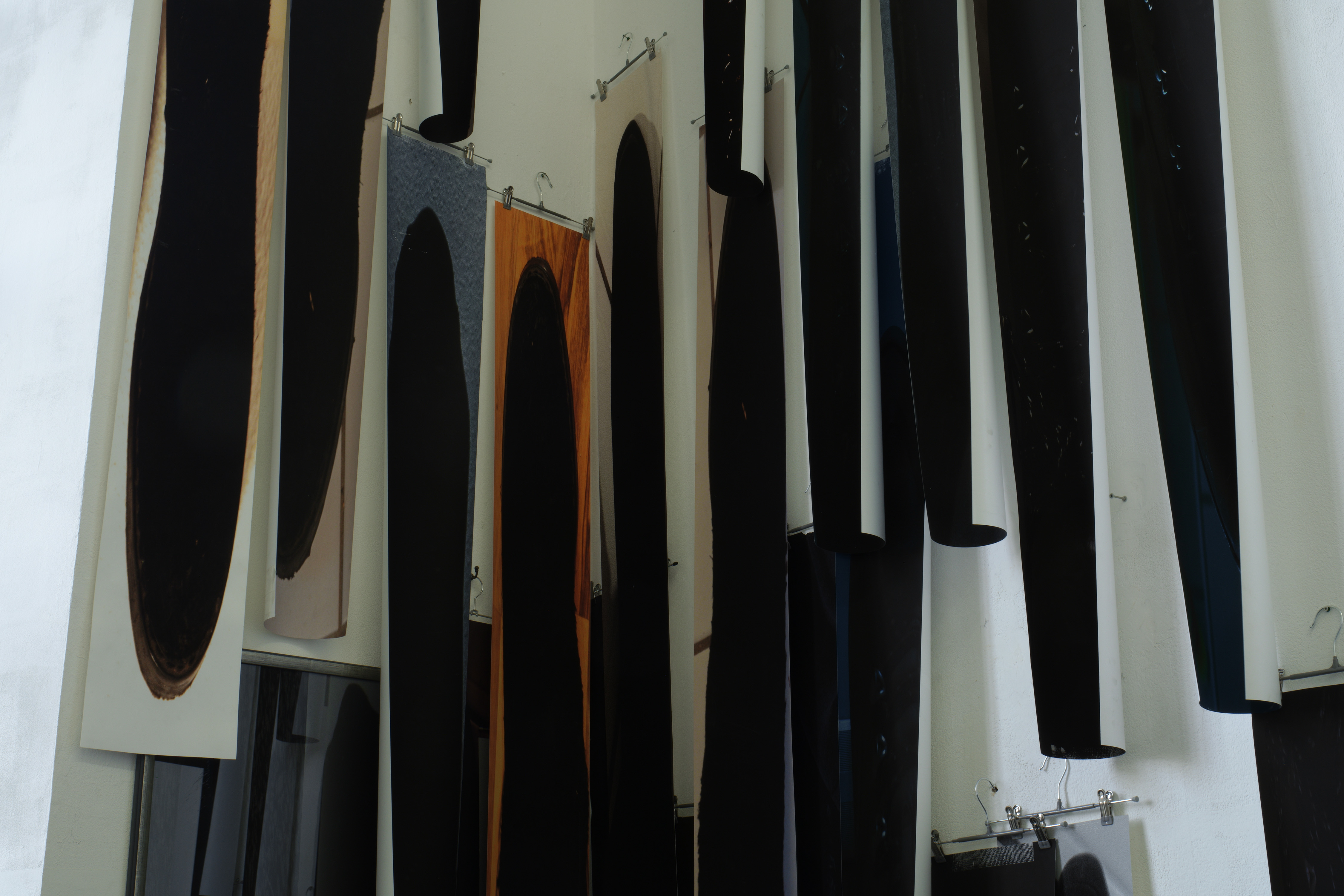
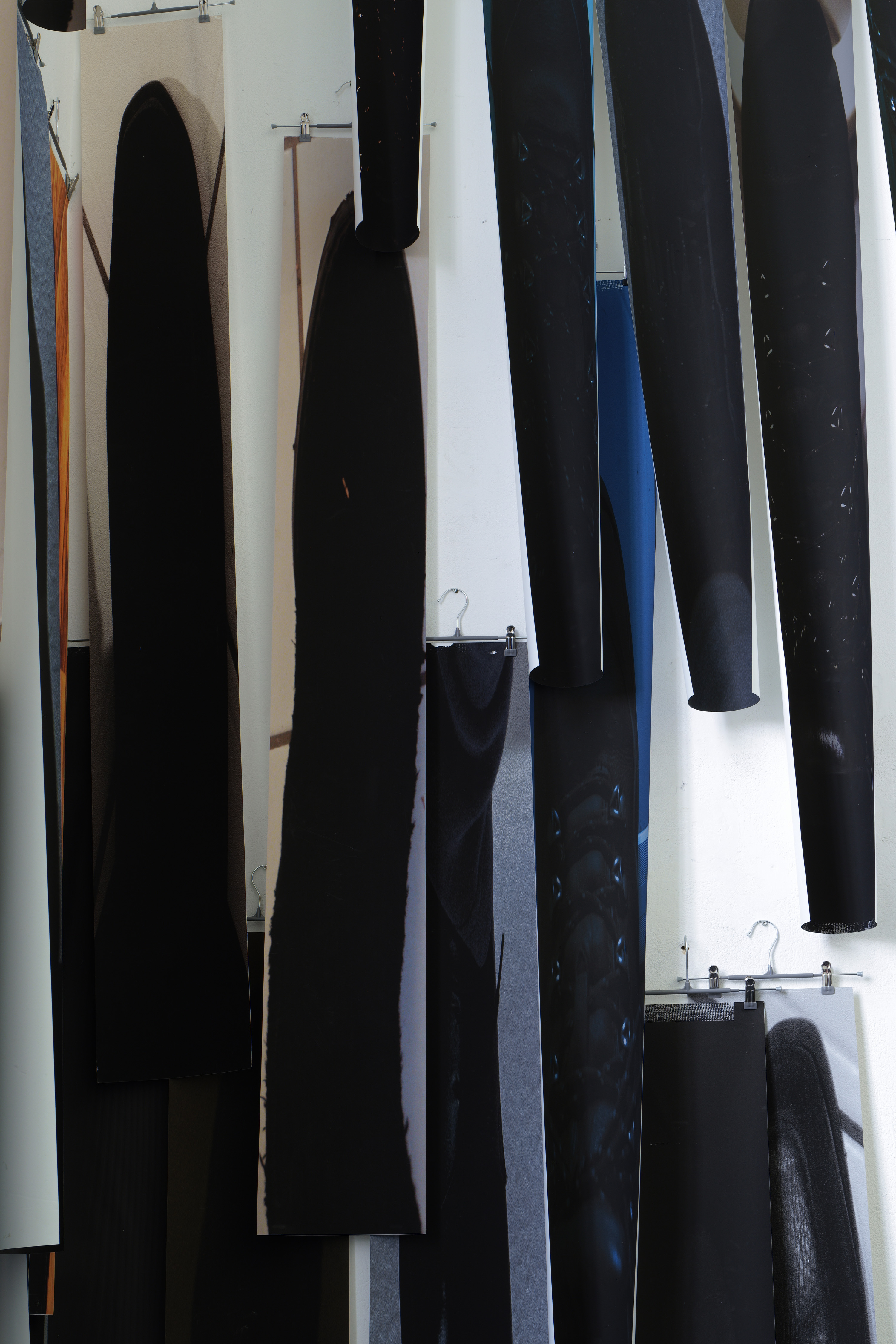
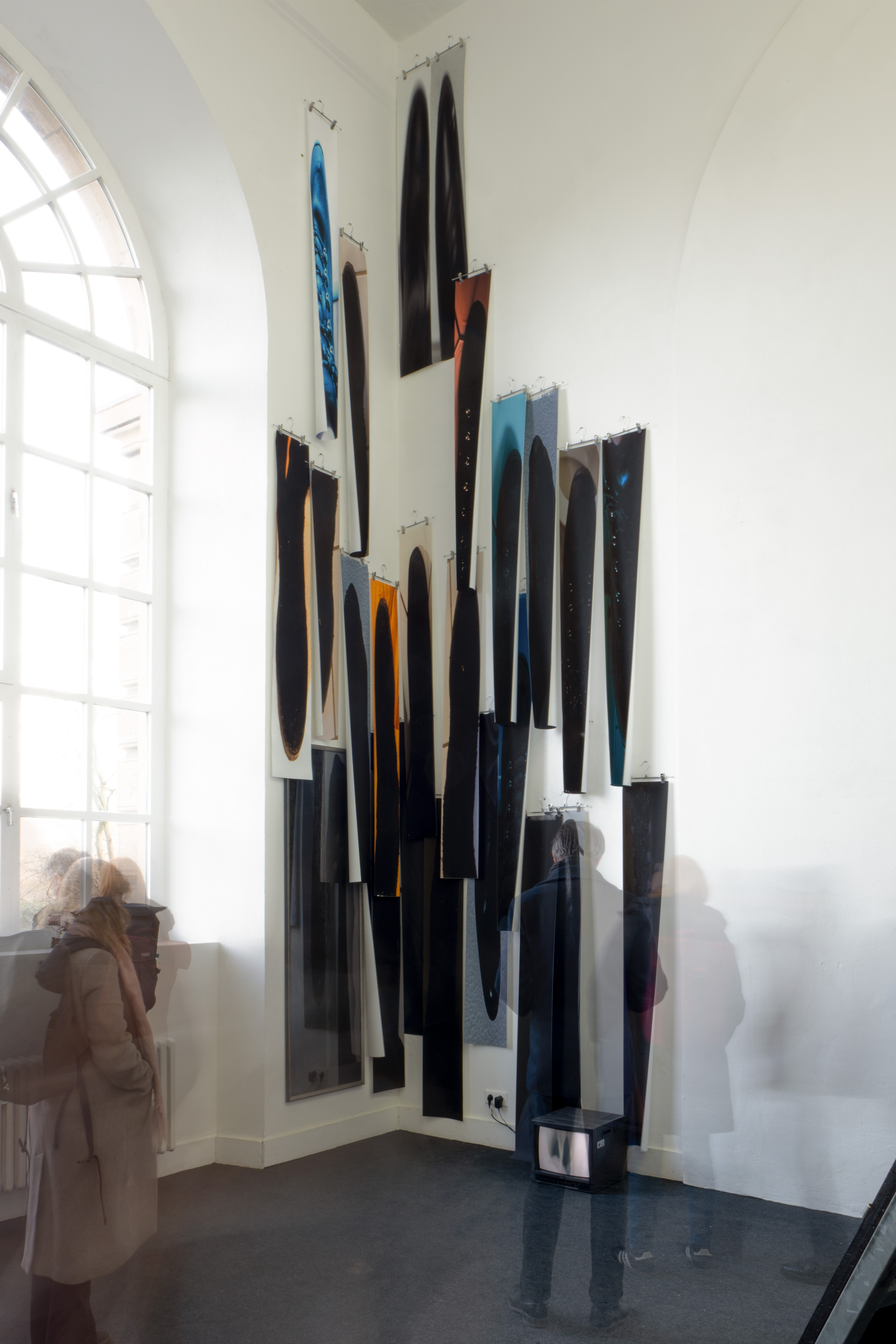
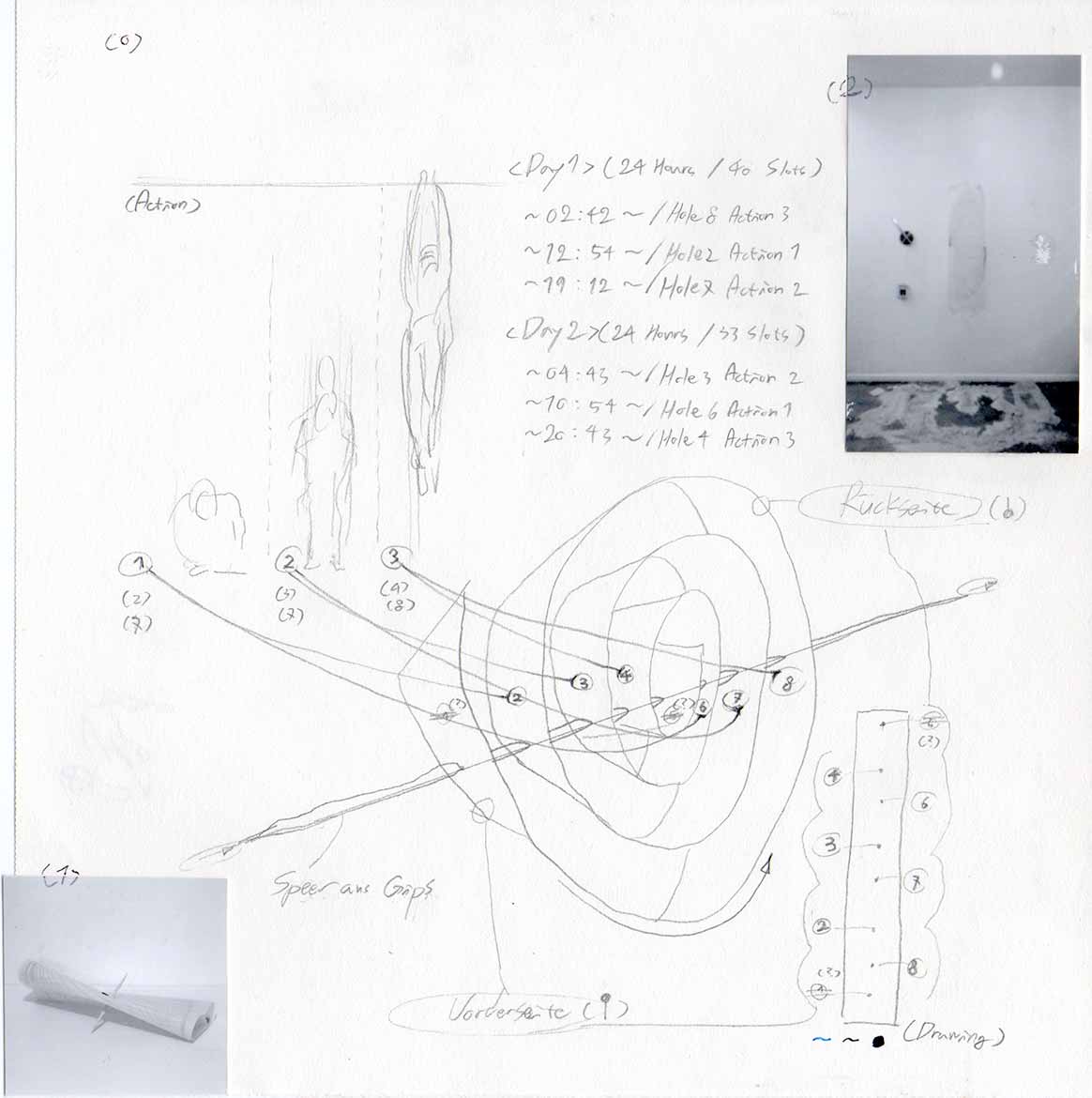
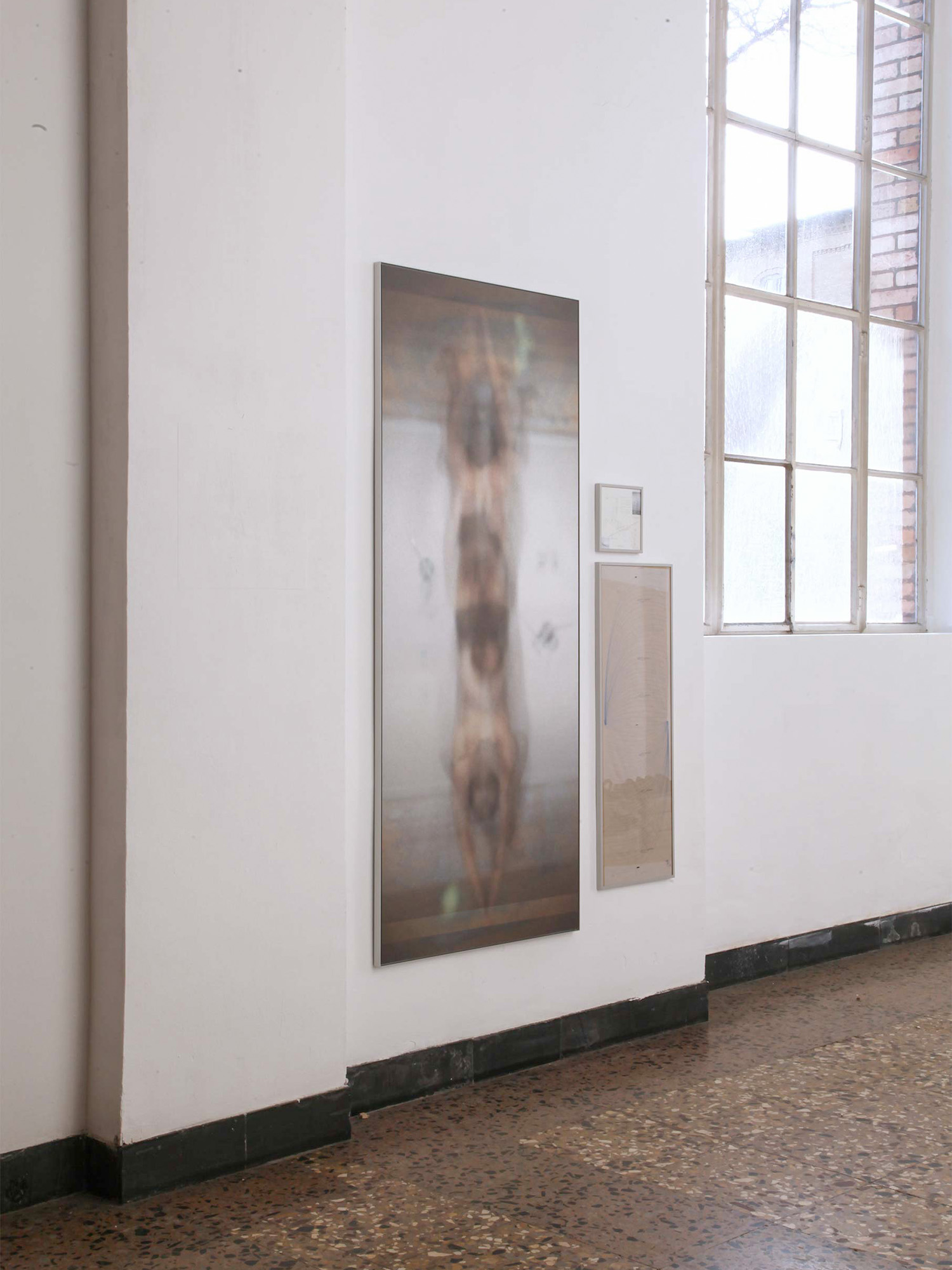
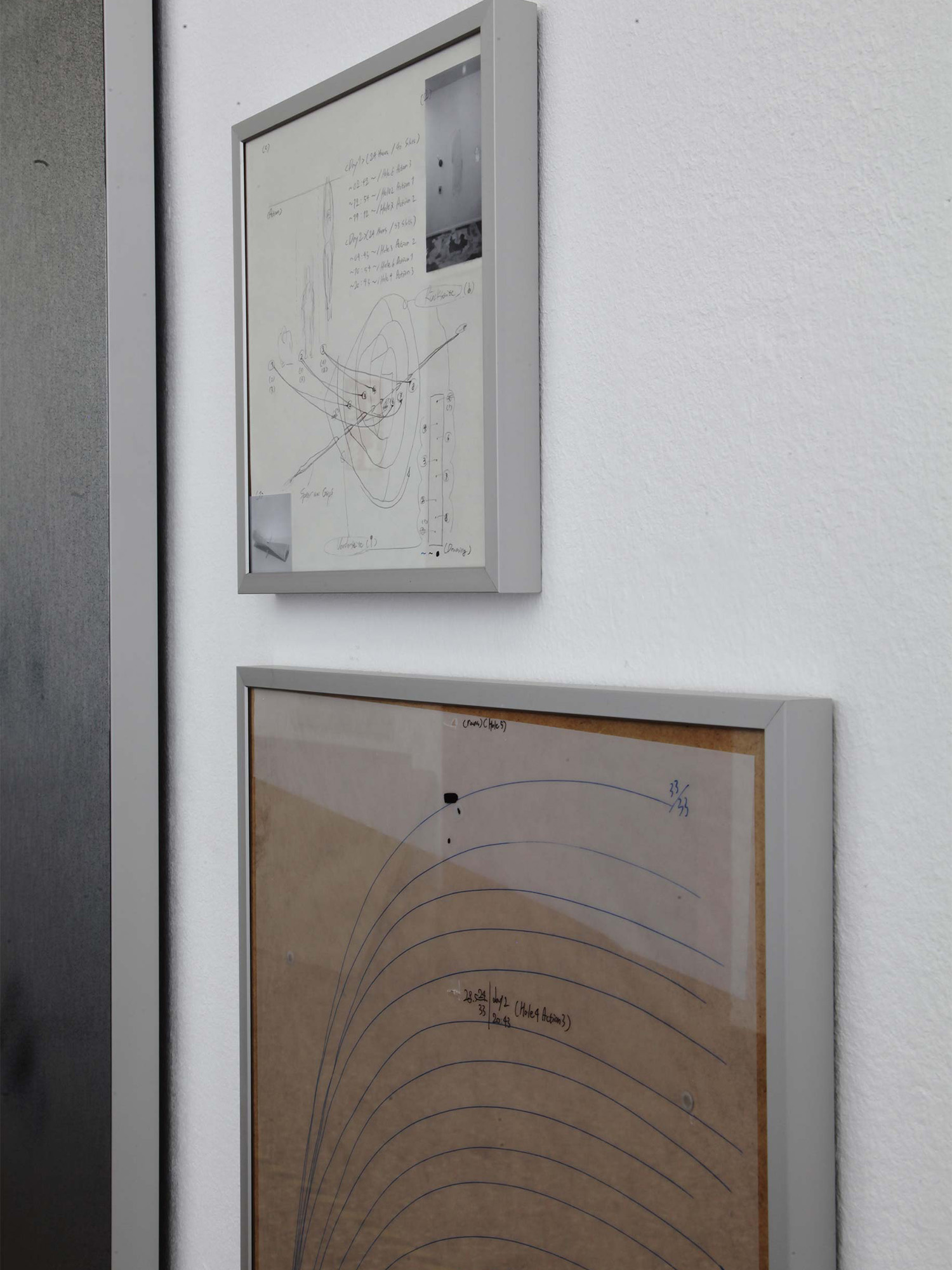
Spear-Throwing is a work I presented in 2022. It consists of one photograph UV-printed on an aluminum plate and two different frames. Those three objects are all that is installed in the exhibition space, but I always end up feeling that the time it took for the work to be made is longer than that.
In a note dated September 28, 2020, I had written this sentence: “I may not be able to understand or feel eternity, but I think I know the feeling that consciousness is always trapped inside something short and flat.” Around that time, I had been carving plaster in the studio for a while. I poured plaster into plastic PET bottles, let it harden, tore the bottles away, and kept shaving the calf-sized mass down until it became something like a skewer, a little thicker than a toothpick. I called it a spear, Spear. Over two months or so I made about twenty of them, and one of them felt right to me. That one was going to be used to pierce paper.
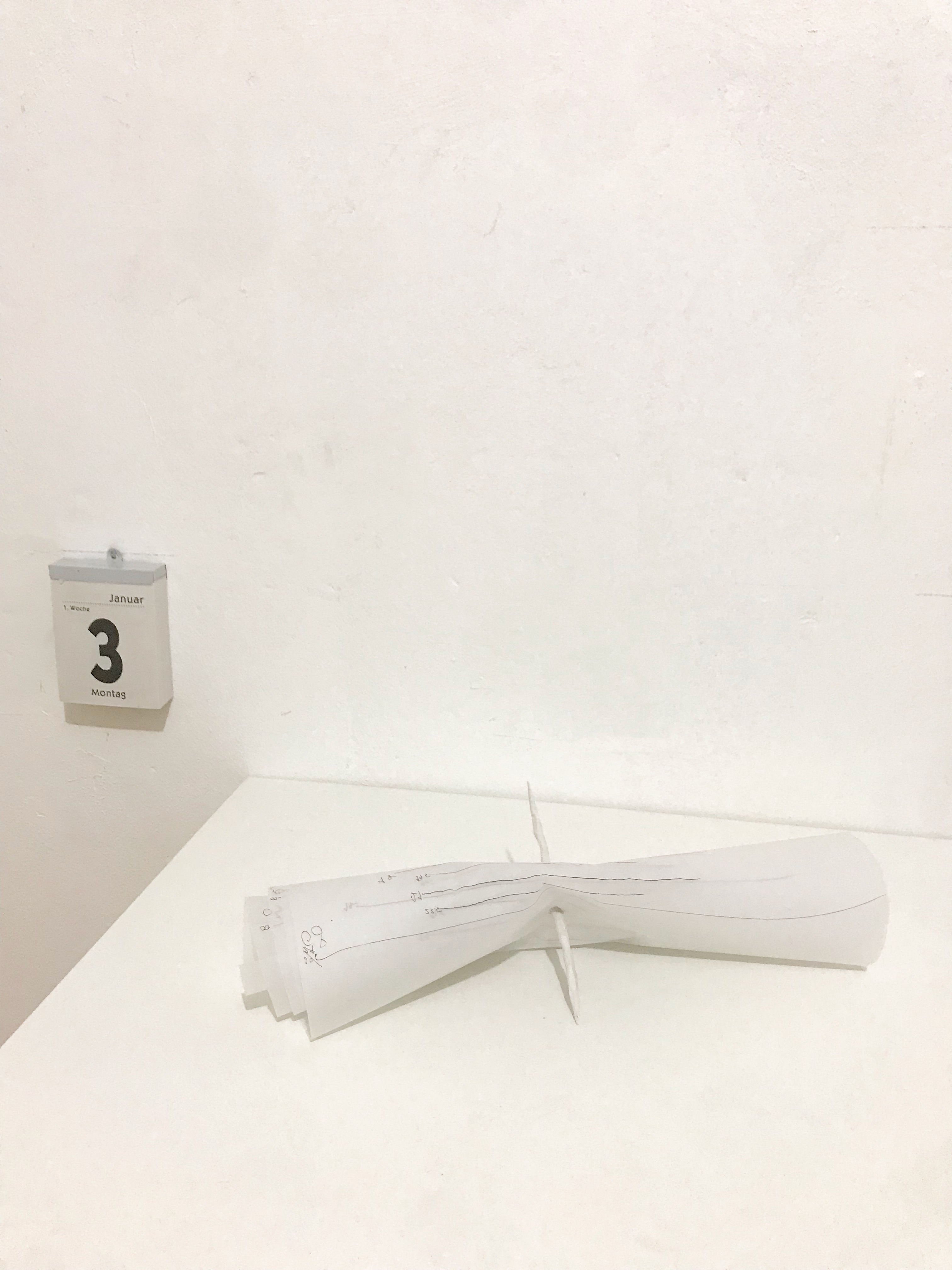
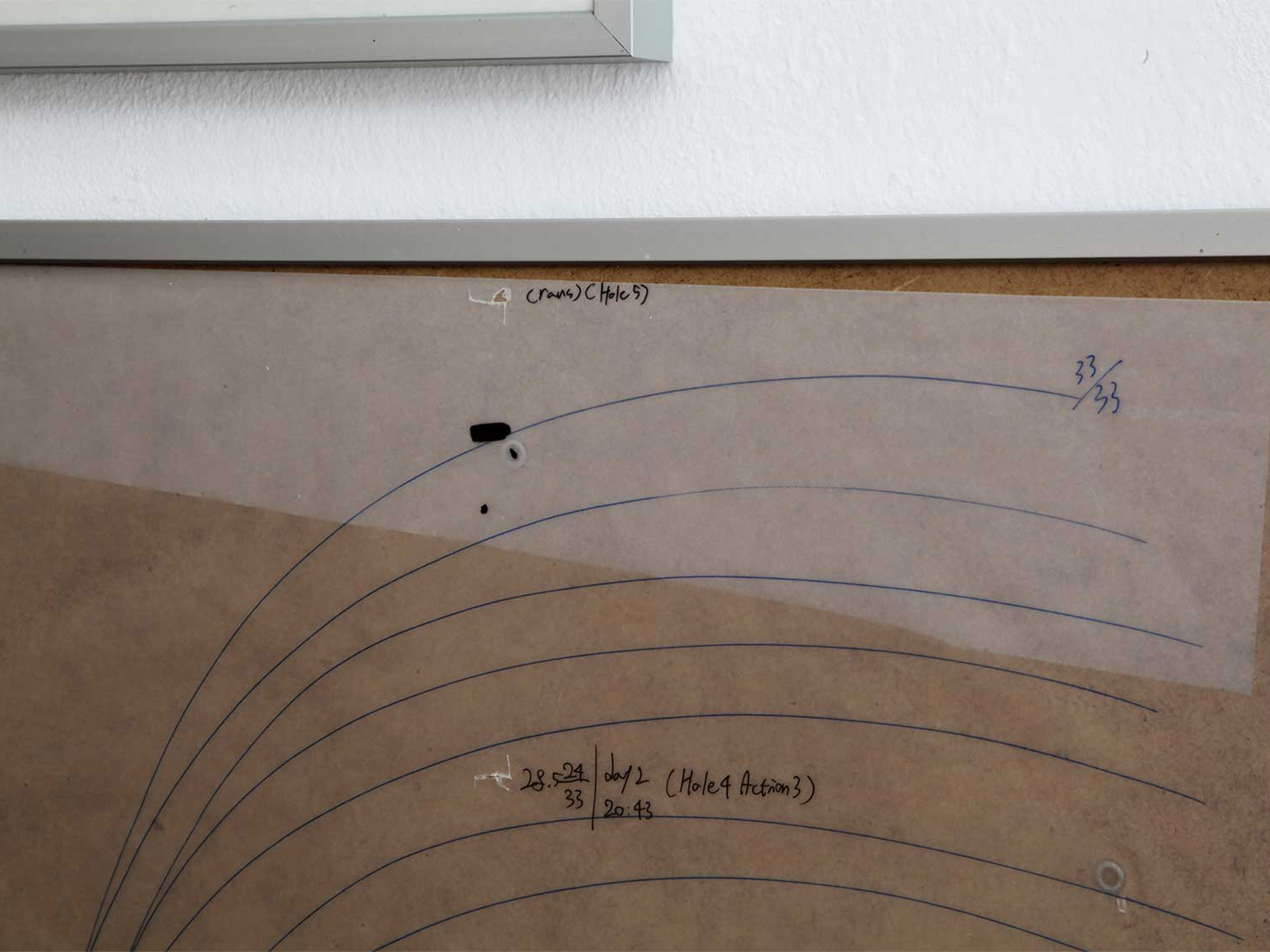
On a sheet of translucent paper I had drawn dozens of lines so that they looked like an S-shape. I did not call it a drawing, Drawing, but anyway when I counted them there were 73 lines in total. 33 on the top, 40 on the bottom. I decided that the lower 40 would be the first day, and the upper 33 the second day. If the 40 lines of the first day are divided across 24 hours, then the first line would be 00:00, the second line would be around 1:40, and so on. So the lines could be read like a kind of calendar. Then I rolled up the paper and pushed through it the spear I had carved. With the feeling of bending spacetime and then piercing through it.
On the unfolded paper there are holes where the spear passed through. Six of them, so to speak, had appeared next to specific times on the calendar. At each of those times I went to the studio, took off my clothes, and jumped in front of the camera. I do not know why I took my clothes off. I think I must have thought that something like that was artistic. Anyway, I jumped as if I were throwing a spear. Six times in total. Very early at dawn, in the morning, in the late afternoon, near midnight, then again in the morning and in the evening. When I combined those six photographs in Photoshop, what appeared was a form that, though somewhat thick, resembled a spear. The jumps took place at different times, but when they were overlaid into one figure, it looked like a spear. As if the flat holes on the paper had in fact been the shape of the spear.
Spear-Throwing은 내가 2022년에 발표한 작업이야. 알루미늄 플레이트에 UV 인쇄한 사진 한 장과 서로 다른 두 개의 액자로 이루어져 있어. 전시장에 놓인 것은 이 세 개가 전부인데, 나는 늘 그것보다 그것이 만들어지기까지의 시간을 더 길게 느끼게 돼.
2020년 9월 28일의 노트에 이런 문장을 적어두었어. “영원을 이해하거나 느끼지는 못하겠지만 의식이 늘 짧고 평평한 어떤 것에 갇혀 있다는 느낌은 알 것 같다.” 그 무렵 나는 한동안 작업실에서 석고를 깎고 있었어. 플라스틱 페트병에 석고를 부어 굳힌 다음 병을 뜯어내고, 종아리만 한 덩어리를 이쑤시개보다 조금 굵은 꼬챙이만 한 크기가 될 때까지 계속 다듬었어. 나는 그것을 창Spear라고 불렀어. 두어 달 동안 스무 개쯤 만들었는데, 그중 하나가 마음에 들었고, 그건 종이를 뚫는 데 쓰일 예정이었어.
반투명한 종이 위에 S자처럼 보이도록 줄을 몇십 개 그어두었어. 나는 그것을 그림Drawing이라고 부르지는 않았지만, 어쨌든 줄을 세어보니 모두 73개였어. 위쪽에 33개, 아래쪽에 40개. 나는 아래쪽 40개를 첫째 날, 위쪽 33개를 둘째 날로 정했어. 첫날의 40줄을 24시간으로 나누면, 첫 번째 줄은 0시 0분, 두 번째 줄은 대략 1시 40분쯤이 되는 식이었지. 그러니까 그 줄들은 일종의 달력처럼 읽힐 수 있었어. 그리고 나는 그 종이를 돌돌 말아, 내가 깎아 만든 창을 찔러 넣었어. 시공간을 구부린 다음 그것을 관통하는 기분으로.
펼쳐진 종이 위에는 창이 지나간 자리에 구멍들이 나 있어. 그 가운데 여섯 개는 말하자면 달력 위의 특정 시각들 옆에 생겨 있었지. 나는 그 시간마다 작업실에 가서 옷을 벗고, 카메라 앞에서 점프를 했어. 옷을 왜 벗었는지는 모르겠어. 그런 게 무언가 예술적이라고 생각했던 것 같아. 아무튼 나는 창을 던지는 것처럼 점프했어. 총 여섯 번. 아주 이른 새벽에도, 아침에도, 늦은 오후에도, 자정에 가까운 시간에도, 다시 아침과 저녁에도. 그렇게 찍은 여섯 장의 사진을 포토샵으로 합치고 나니, 조금 두껍기는 했지만 창을 닮은 형태가 되어 있었어. 점프는 서로 다른 시간에 이루어졌는데, 하나의 형상으로 겹쳐졌을 때는 창처럼 보였지. 마치 종이 위에 평평하게 나 있던 구멍들이 사실은 창의 모양이었던 것처럼.
Spear-Throwing ist eine Arbeit, die ich 2022 gezeigt habe. Sie besteht aus einer auf eine Aluminiumplatte UV-gedruckten Fotografie und zwei unterschiedlichen Rahmen. Diese drei Teile sind alles, was im Ausstellungsraum zu sehen ist, aber ich habe immer das Gefühl, dass die Zeit, die es brauchte, bis die Arbeit entstand, länger ist als das.
In einer Notiz vom 28. September 2020 hatte ich diesen Satz aufgeschrieben: „Ich kann die Ewigkeit vielleicht weder verstehen noch empfinden, aber ich glaube, ich kenne das Gefühl, dass das Bewusstsein immer in etwas Kurzem und Flachem gefangen ist.“ Damals war ich eine Zeit lang damit beschäftigt, im Atelier Gips zu schnitzen. Ich goss Gips in Plastik-PET-Flaschen, ließ ihn aushärten, riss die Flaschen wieder ab und bearbeitete die wadenförmige Masse so lange weiter, bis daraus etwas wie ein Spieß wurde, ein wenig dicker als ein Zahnstocher. Ich nannte es einen Speer, Spear. Über ungefähr zwei Monate machte ich etwa zwanzig davon, und einer davon gefiel mir besonders. Dieser sollte dafür benutzt werden, Papier zu durchbohren.
Auf ein halbtransparentes Papier zeichnete ich mehrere Dutzend Linien, so, dass sie wie ein S aussahen. Ich nannte das keine Zeichnung, Drawing, aber jedenfalls waren es, als ich sie zählte, insgesamt 73 Linien. 33 oben, 40 unten. Ich bestimmte die unteren 40 als den ersten Tag und die oberen 33 als den zweiten. Wenn man die 40 Linien des ersten Tages auf 24 Stunden verteilt, dann wäre die erste Linie 00:00 Uhr, die zweite ungefähr 1:40 Uhr und so weiter. Die Linien konnten also wie eine Art Kalender gelesen werden. Dann rollte ich das Papier zusammen und stieß den Speer hindurch, den ich geschnitzt hatte. Mit dem Gefühl, die Raumzeit zu biegen und sie dann zu durchdringen.
Auf dem entfalteten Papier sind Löcher an den Stellen, an denen der Speer hindurchging. Sechs davon sind sozusagen neben bestimmten Uhrzeiten auf dem Kalender entstanden. Zu jeder dieser Zeiten ging ich ins Atelier, zog mich aus und sprang vor der Kamera. Warum ich mich ausgezogen habe, weiß ich nicht. Ich glaube, ich hielt so etwas damals für künstlerisch. Jedenfalls sprang ich, als würde ich einen Speer werfen. Insgesamt sechs Mal. Sehr früh im Morgengrauen, am Morgen, am späten Nachmittag, nahe Mitternacht, dann wieder am Morgen und am Abend. Als ich diese sechs Fotografien in Photoshop zusammensetzte, erschien eine Form, die, wenn auch etwas dick, einem Speer ähnelte. Die Sprünge fanden zu verschiedenen Zeiten statt, aber als sie sich zu einer einzigen Gestalt überlagerten, sah es wie ein Speer aus. So, als wären die flachen Löcher auf dem Papier in Wahrheit die Form des Speers gewesen.
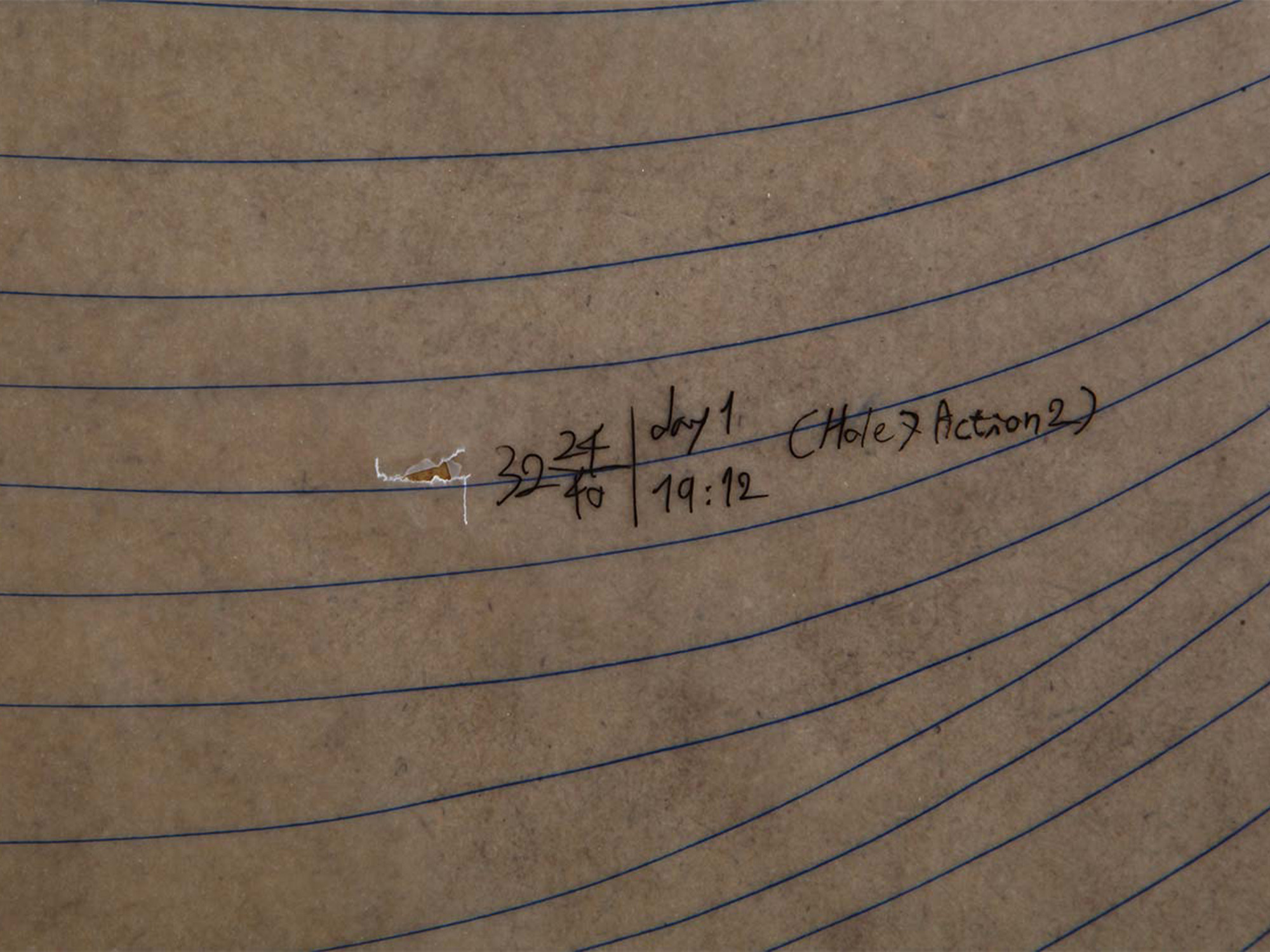
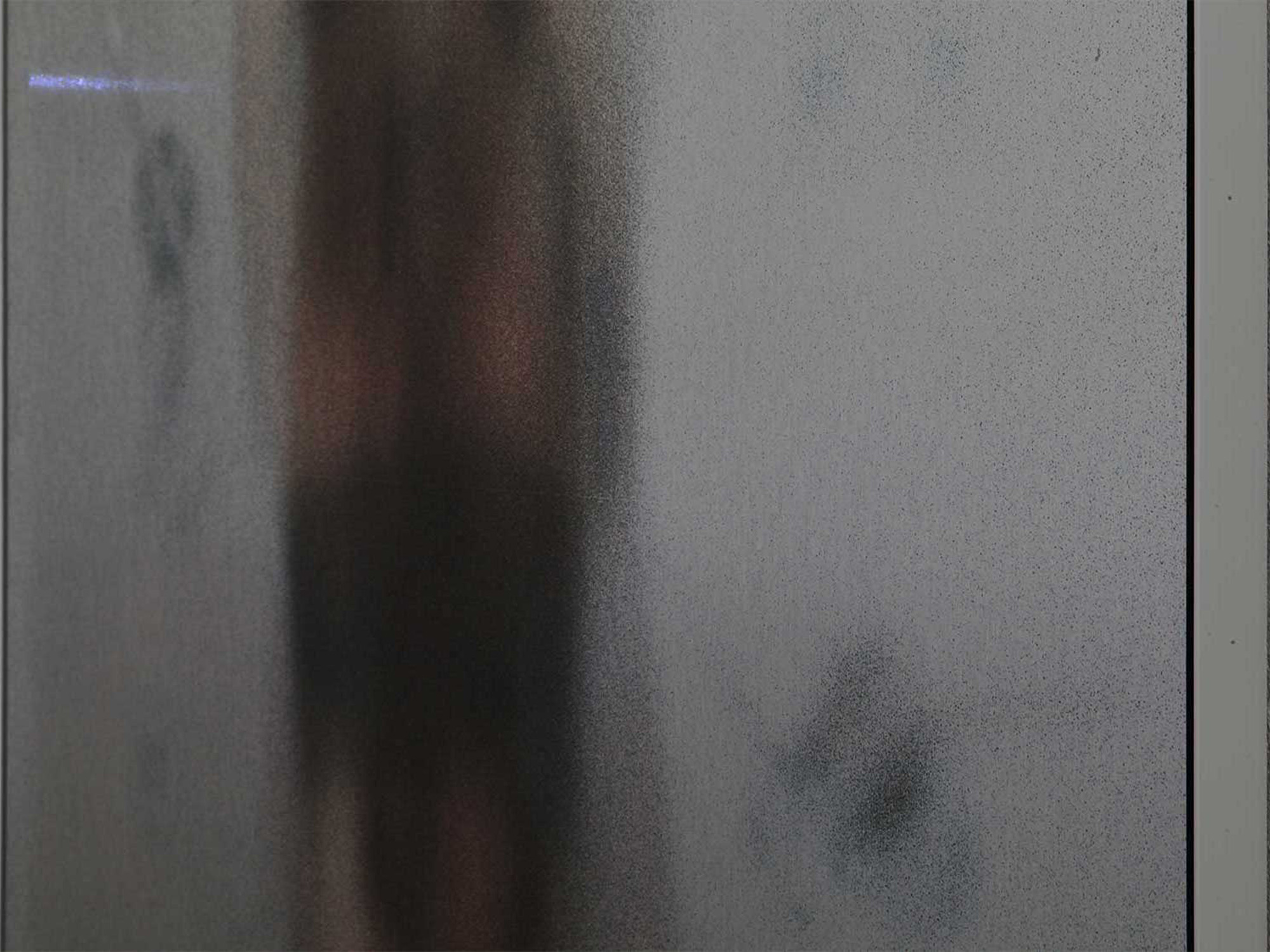
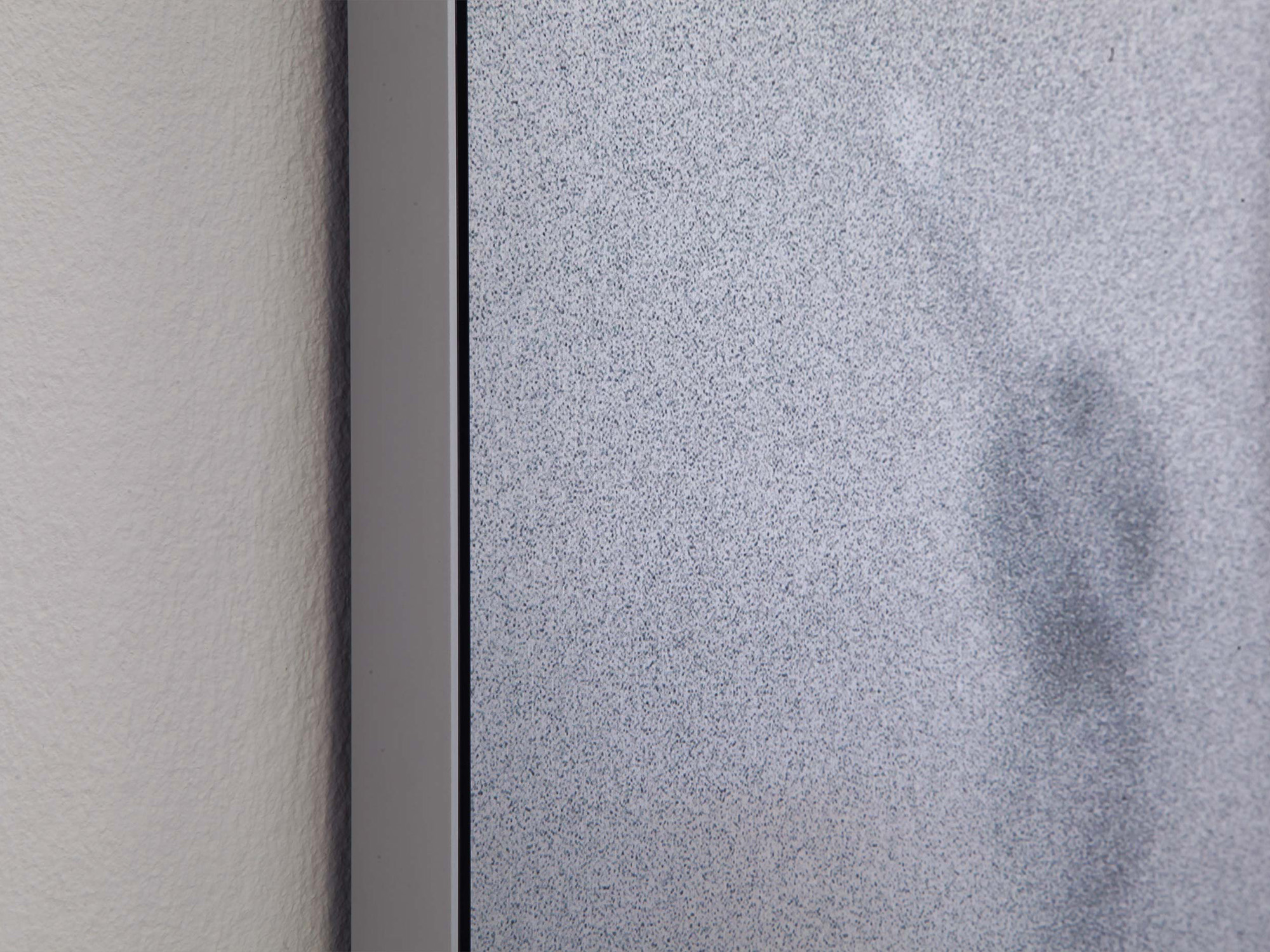
Rundgang, Kunstakademie Düsseldorf, 2022
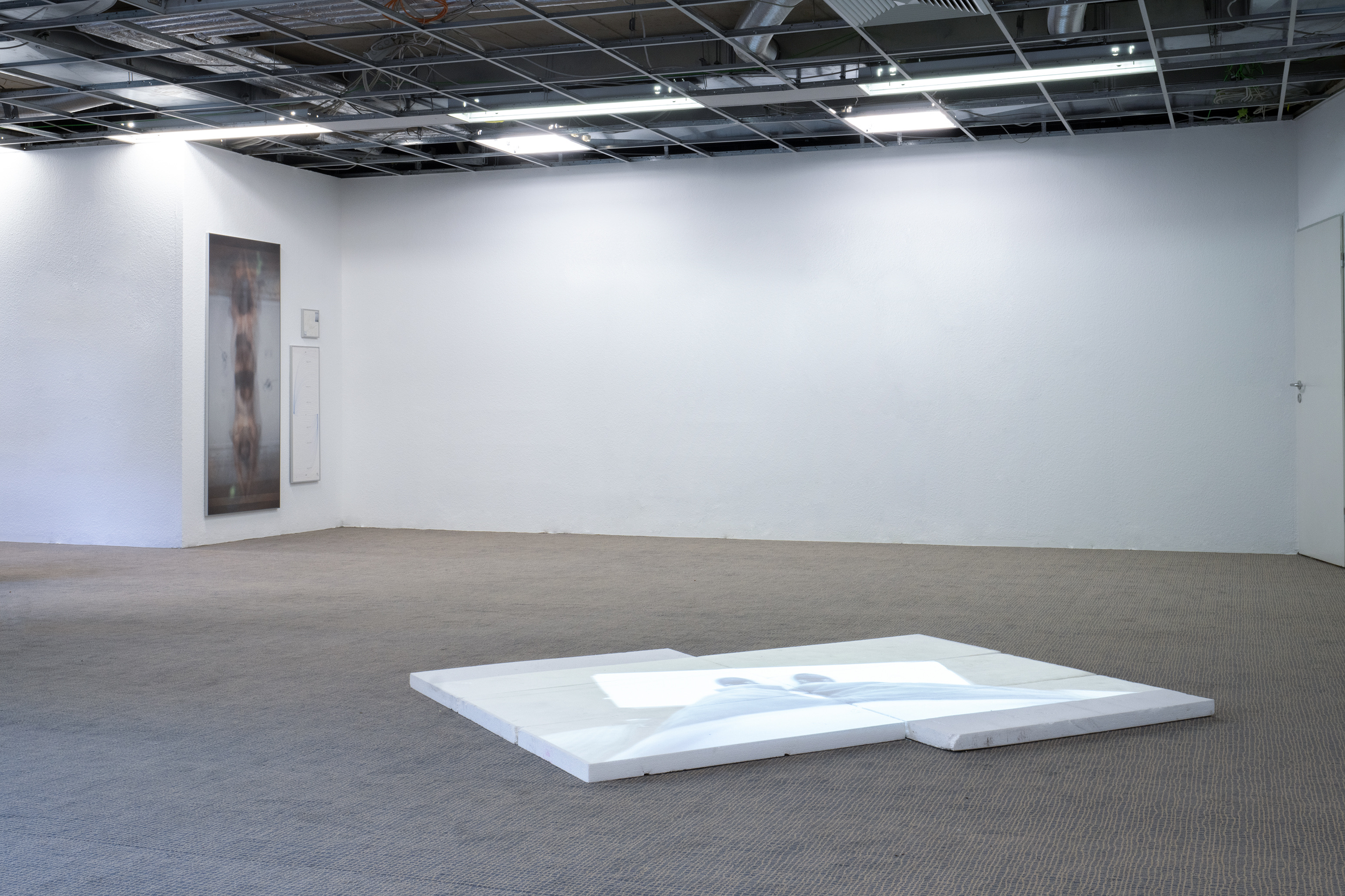
PULSAR, Beiste Kunstraum, 2023
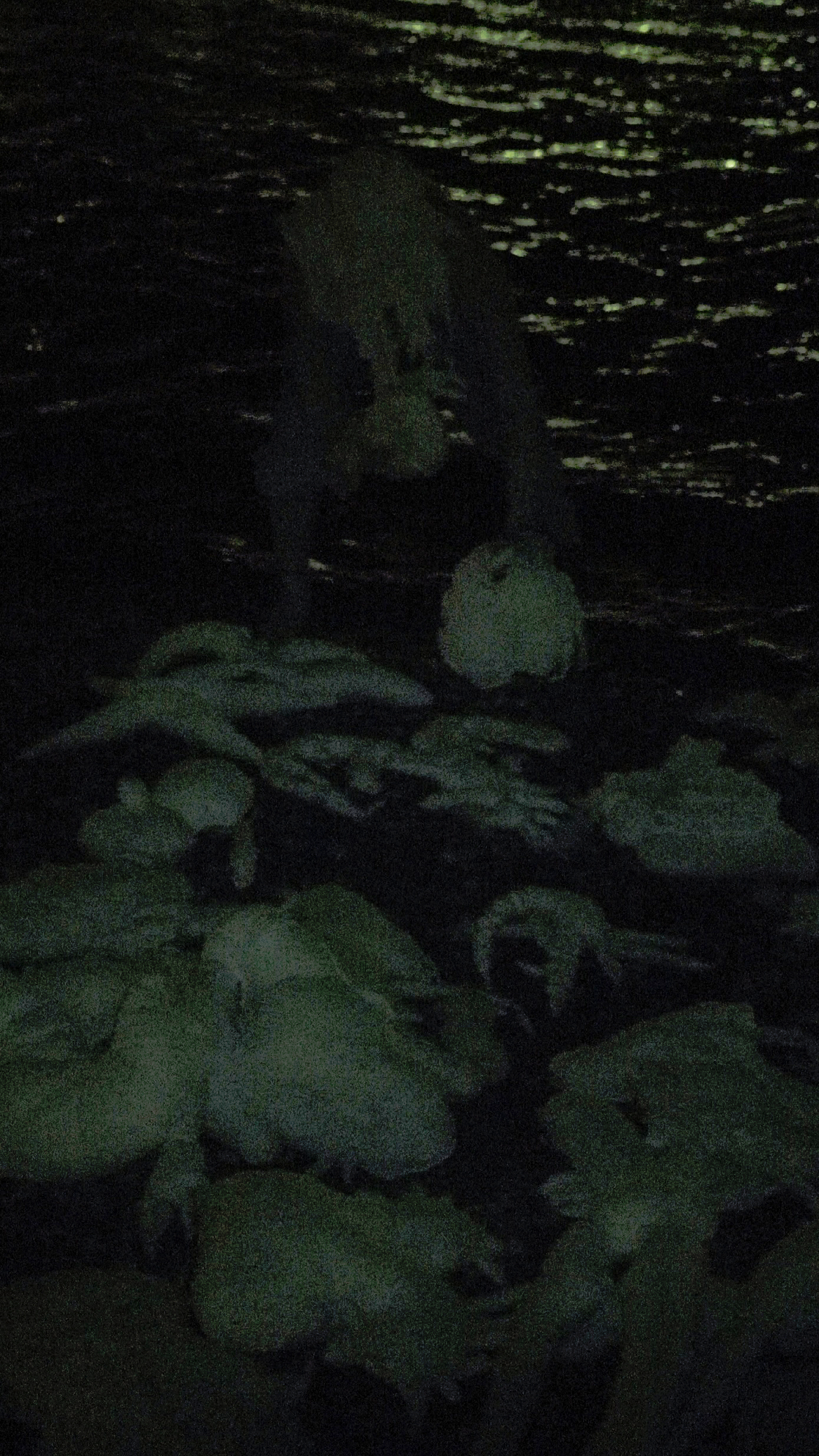
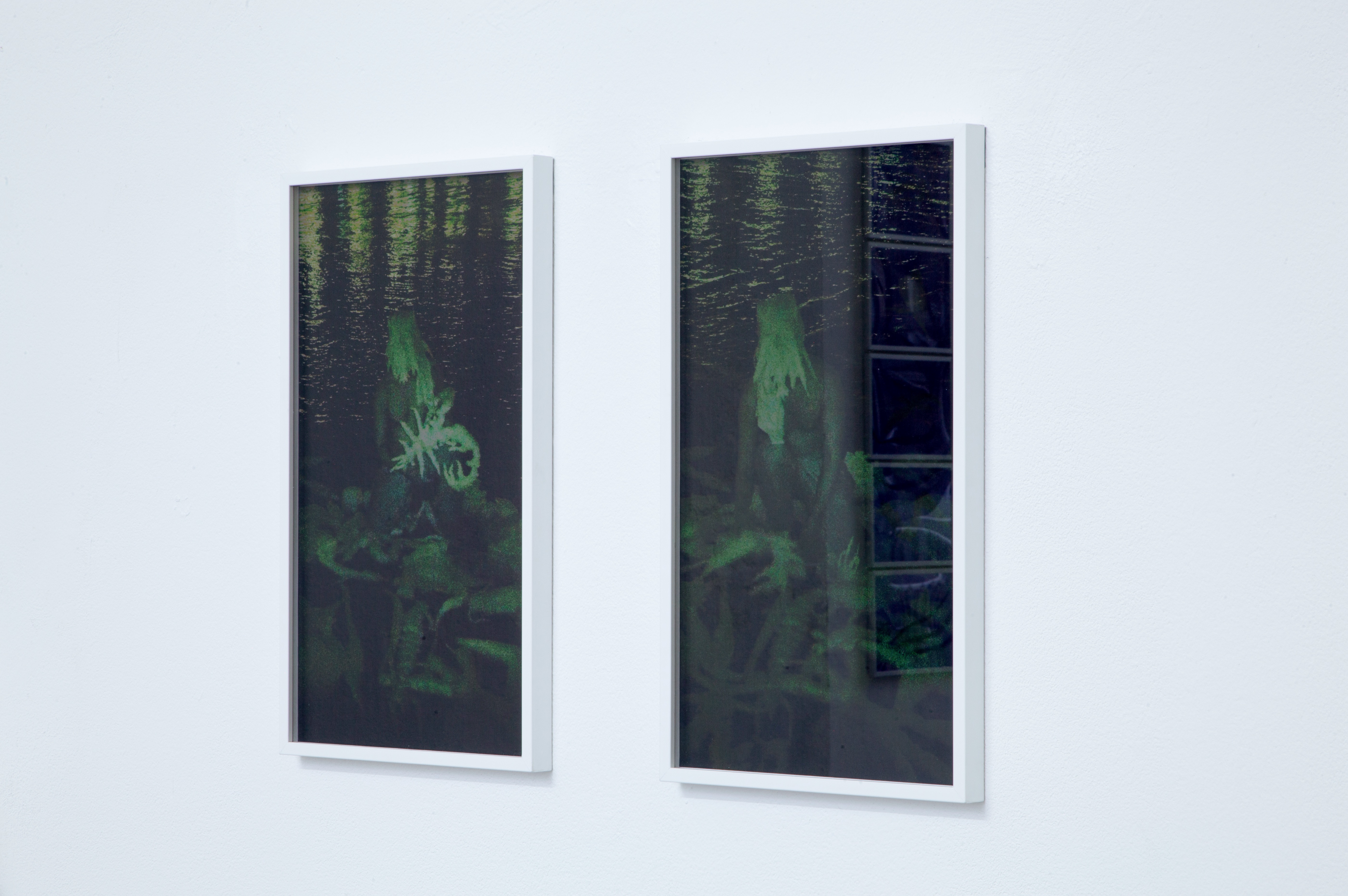
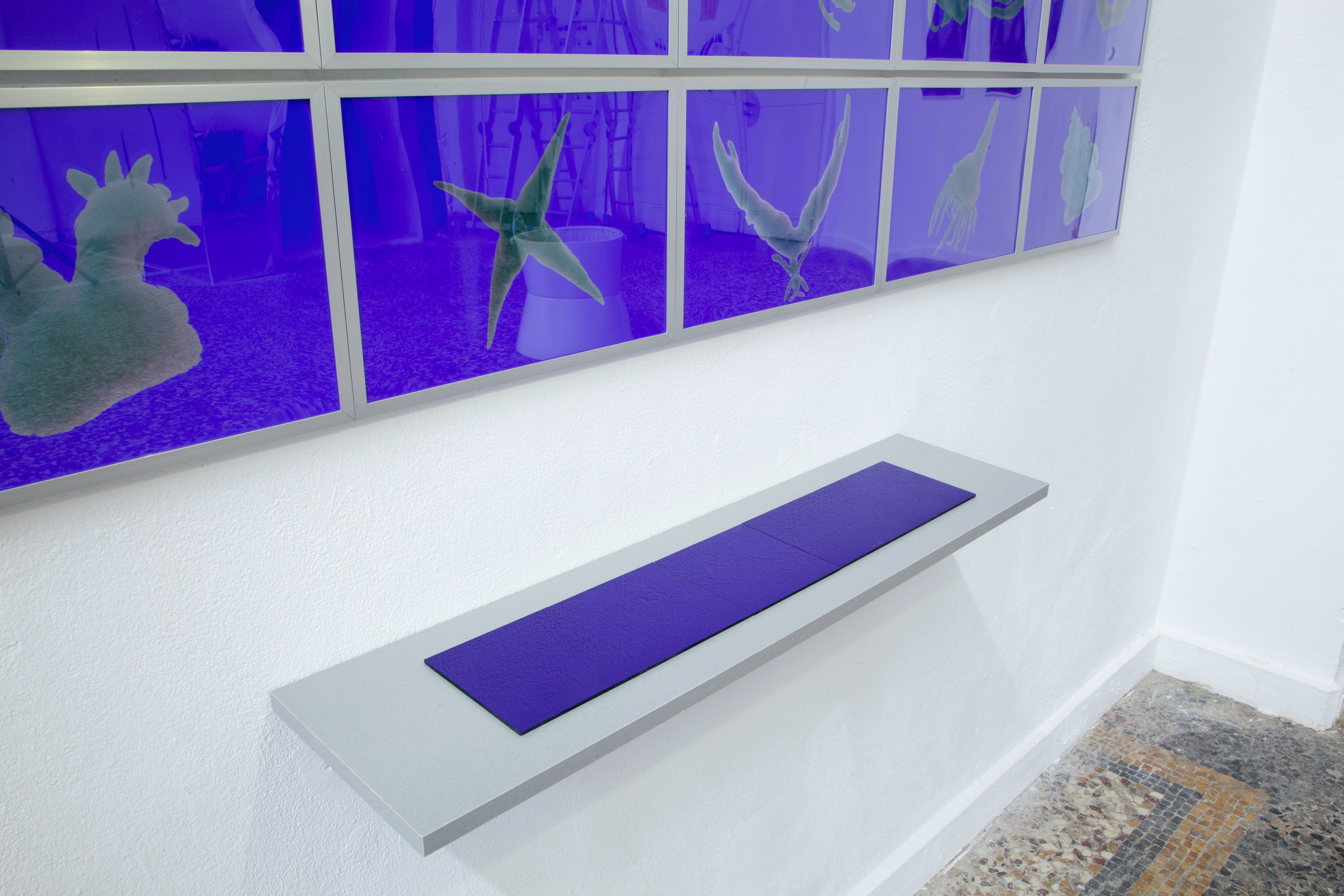
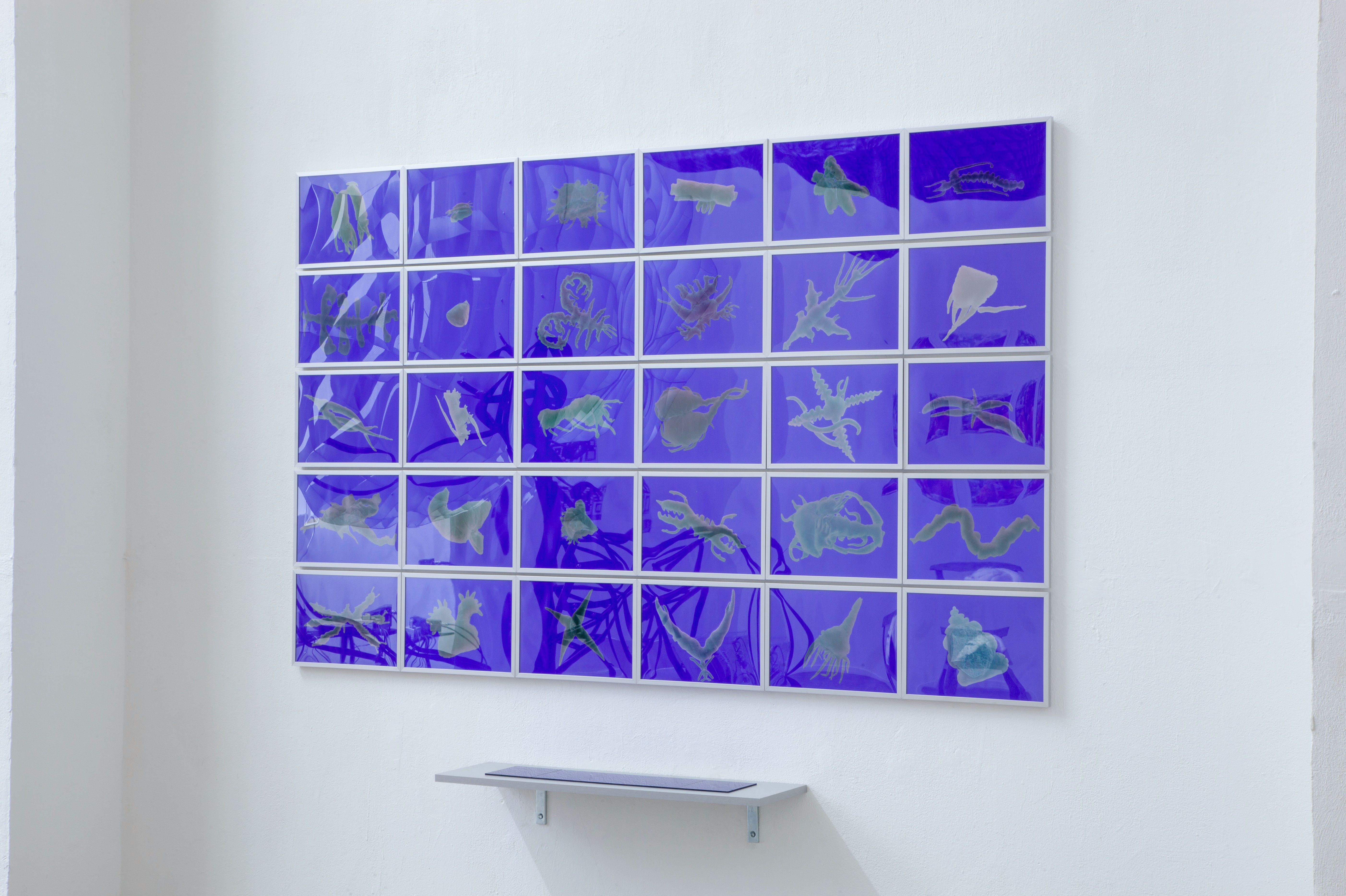
>Pantimals from Rhein< ist eine Arbeit, die ich 2021 vollendet habe, aber auch so etwas wie eine Fabel. Pantimal bezeichnet bestimmte Tiere, ist aber keine Art für sich. Es ist der Name, den ich einigen Tieren gegeben habe, die ich im Rhein sah.
Eines Nachts, wie an vielen anderen Tagen auch, dachte ich über Eoreum어름 nach und ging mit einem Freund im Rhein schwimmen. Berührbare Dinge schienen mir zu sagen, dass ich hier war. Ich stellte mir vor, dass der ganze Körper durch die Empfindung erwachen könnte, im kalten Wasser, in der Dunkelheit, wenn nichts wirklich zu sehen ist. Ich kann nicht gut schwimmen. Irgendwann geriet ich in Panik. Ich schluckte viel Wasser, ruderte, und schaffte es kaum zurück an eine Stelle, an der ich wieder stehen konnte. Als ich wieder zu mir kam, trieben Tiere um mich herum. Es waren keine Tiere vertrauter Art. Mein Freund und ich zogen die seltsam aussehenden Tiere an Land. Während wir sie herausholten, wurden sie immer kleiner. Mein Freund fotografierte sie, aber ich wollte richtige Bilder dieser Tiere behalten, während sie kleiner wurden, also brachte ich sie ins Atelier. Auch dort wurden sie weiter kleiner, bis ich sie zum Fotografieren auf eine Platte von Handflächengröße legen musste. Einige waren schon verschwunden, während ich die anderen fotografierte. Ich stellte die Fotografien von jenem Tag zusammen mit den Platten aus, auf denen diese Tiere gelegen hatten. Vielleicht sind sie gar nicht verschwunden, sondern nur so klein geworden, dass man sie nicht mehr sehen kann, und sind noch immer dort, auf diesen Platten. Vielleicht werden sie noch immer kleiner.
Pantimals erscheinen und verschwinden. Wie Tiere. Wichtiger als die Frage, ob sie Puppen oder Lebewesen waren, ist die Tatsache, dass sie verschwanden. Sie lösten sich nicht auf und veränderten nicht den Zustand des Wassers. Sie verdampften nicht und verteilten sich nicht in der Luft. Als kehrten sie an ihren Ursprung zurück, wurden sie nach und nach kleiner und verschwanden. Das ist das Problem. Sie waren keine Schreibtische, Steine oder Bäume, Dinge, die zu bleiben scheinen. Sie waren eine bestimmte Art von Wesen. Und sie waren dazu fähig, zu erscheinen und zu verschwinden. Als würde die Seele eines Menschen, der jemandem gegenübersitzt, sich plötzlich auf dem Tisch zeigen und dann wieder zurückziehen. Verschwinden zu können heißt fast, ein Wesen zu sein, das nicht hätte erscheinen sollen. Ich habe das Gefühl, dass darin ein Ereignis angedeutet ist. In die langweilige Welt eines Lebens, in dem nichts geschieht, ist etwas eingetreten, das nicht zum Leben zu gehören schien. Pantimals scheinen fast nicht zum Leben zu gehören. Das Leben kann sich selbst nicht verlassen. Es kann diesen Ort nicht verlassen.
<Pantimals from Rhein>은 내가 2021년에 완성한 작업이지만, 동시에 하나의 우화 같은 것이기도 하다. Pantimal은 어떤 동물들을 가리키는 말이지만, 그 자체로 하나의 종은 아니다. 그것은 내가 라인강에서 보았던 몇몇 동물들에게 나중에 붙인 이름이다.
어느 날 밤, 다른 많은 날들과 마찬가지로 어름Eoreum에 대해 생각하다가, 나는 친구와 함께 라인강에 수영하러 갔다. 만져지는 것들이 내가 여기에 있다는 사실을 말해주는 것 같았기 때문에, 그리고 아무것도 제대로 보이지 않는 밤에는 몸 전체가 감각을 통해 깨어날 수 있을 것이라고 상상했기 때문에, 차가운 물과 어둠 속으로 들어가고 싶었던 것 같다. 나는 수영을 잘하지 못한다. 어느 순간 나는 패닉에 빠졌다. 물을 많이 마셨고, 허우적댔고, 가까스로 발이 닿는 곳으로 돌아왔다. 정신을 차렸을 때, 내 주위에는 동물들이 떠다니고 있었다. 그것들은 익숙한 종류의 동물은 아니었다. 나와 친구는 이상하게 생긴 그 동물들을 뭍으로 건져 올렸다. 그것들을 꺼내는 동안 동물들은 계속 작아지고 있었다. 친구가 사진을 찍었지만, 나는 작아지고 있는 이 동물들의 제대로 된 이미지를 남기고 싶어서 그것들을 작업실로 가져갔다. 그 사이에도 그것들은 계속 줄어들었고, 결국 손바닥만 한 판 위에 올려놓고 사진을 찍어야 할 정도가 되었다. 몇몇은 다른 것들을 촬영하는 동안 이미 사라지고 없었다. 나는 그날 찍은 사진들과, 이 동물들을 올려두었던 판들을 함께 전시했다. 어쩌면 그것들은 사라진 것이 아니라, 다만 보이지 않을 만큼 너무 작아졌을 뿐이고, 지금도 그 판들 위에 여전히 남아 있는지도 모른다. 어쩌면 지금도 계속 작아지고 있는지도 모른다.
팬티멀은 나타났다가 사라진다. 동물들이 그러하듯이. 그것들이 인형이었는지 살아 있는 존재였는지보다, 그것들이 사라졌다는 사실에 주목할 필요가 있다. 그것들은 용해되어 물의 상태를 바꾸지 않았다. 기화되어 공기 중으로 흩어진 것도 아니었다. 마치 자신이 온 출처로 되돌아가는 것처럼, 그것들은 조금씩 줄어들다가 없어졌다. 문제는 바로 그것이다. 그것들은 책상이나 돌이나 나무처럼, 이 세계에 계속 남아 있을 것처럼 보이는 것들이 아니었다. 그것들은 어떤 특정한 존재였다. 그리고 나타나고 사라질 수 있는 능력을 지니고 있었다. 마치 누군가와 마주 앉아 있는 사람의 영혼이 갑자기 테이블 위에 모습을 드러냈다가 다시 물러나는 것처럼. 사라질 수 있다는 것은, 거의 나타나서는 안 되는 존재였다는 뜻처럼 보인다. 나는 이것이 어떤 사건을 암시한다고 느낀다. 아무 일도 일어나지 않는 삶의 지루한 세계 안으로, 삶에 속하지 않는 것 같은 무언가가 들어왔기 때문이다. 팬티멀은 거의 삶에 속하지 않는 것처럼 보인다. 삶이라는 것은 자기 자신을 떠날 수 없고, 이곳을 떠날 수도 없는 법이니까.
<Pantimals from Rhein> is a work I completed in 2021, but it is also something like a fable. Pantimal refers to certain animals, though it is not a species in itself. It is the name I later gave to several animals I saw in the Rhine.
One night, as on many other nights, I was thinking about Eoreum어름 and went swimming in the Rhine with a friend. Touched things seemed to tell me that I was here. I imagined that in cold water, in the dark, when nothing could properly be seen, the whole body might awaken through sensation. I do not swim well. At some point I panicked. I swallowed a great deal of water, flailed, and barely made it back to where my feet could touch the bottom. When I came to, animals were floating around me. They were not of a familiar kind. My friend and I pulled the strangely shaped animals onto land. While we were lifting them out, they kept getting smaller. My friend took photographs, but I wanted proper images of these animals while they were shrinking, so I brought them back to the studio. They continued to diminish there as well, until I had to place them on a plate the size of a palm in order to photograph them. Some had already disappeared while I was photographing the others. I exhibited the photographs taken that day together with the plates on which the animals had been placed. Perhaps they did not disappear at all, but only became too small to be seen, and are still there now, on those plates. Perhaps they are still becoming smaller.
Pantimals appear and disappear. As animals do. More important than whether they were dolls or living beings is the fact that they disappeared. They did not dissolve and alter the state of the water. They did not evaporate and scatter themselves into the air. As if returning to their point of origin, they grew smaller and vanished. That is the problem. They were not desks, stones, or trees, things that seem as though they will remain in this world. They were a certain kind of being. And they were capable of appearing and disappearing. As if the soul of a person seated across from someone suddenly showed itself on the table, then withdrew again. To be able to disappear is almost to say that one is a being that should not have appeared. I feel this suggests some kind of event. Into the dull world of a life where nothing happens, something entered that seemed not to belong to life. Pantimals seem almost not to belong to life. Life cannot leave itself. It cannot leave this place.
Porträts aus der Entfernung, 2020–
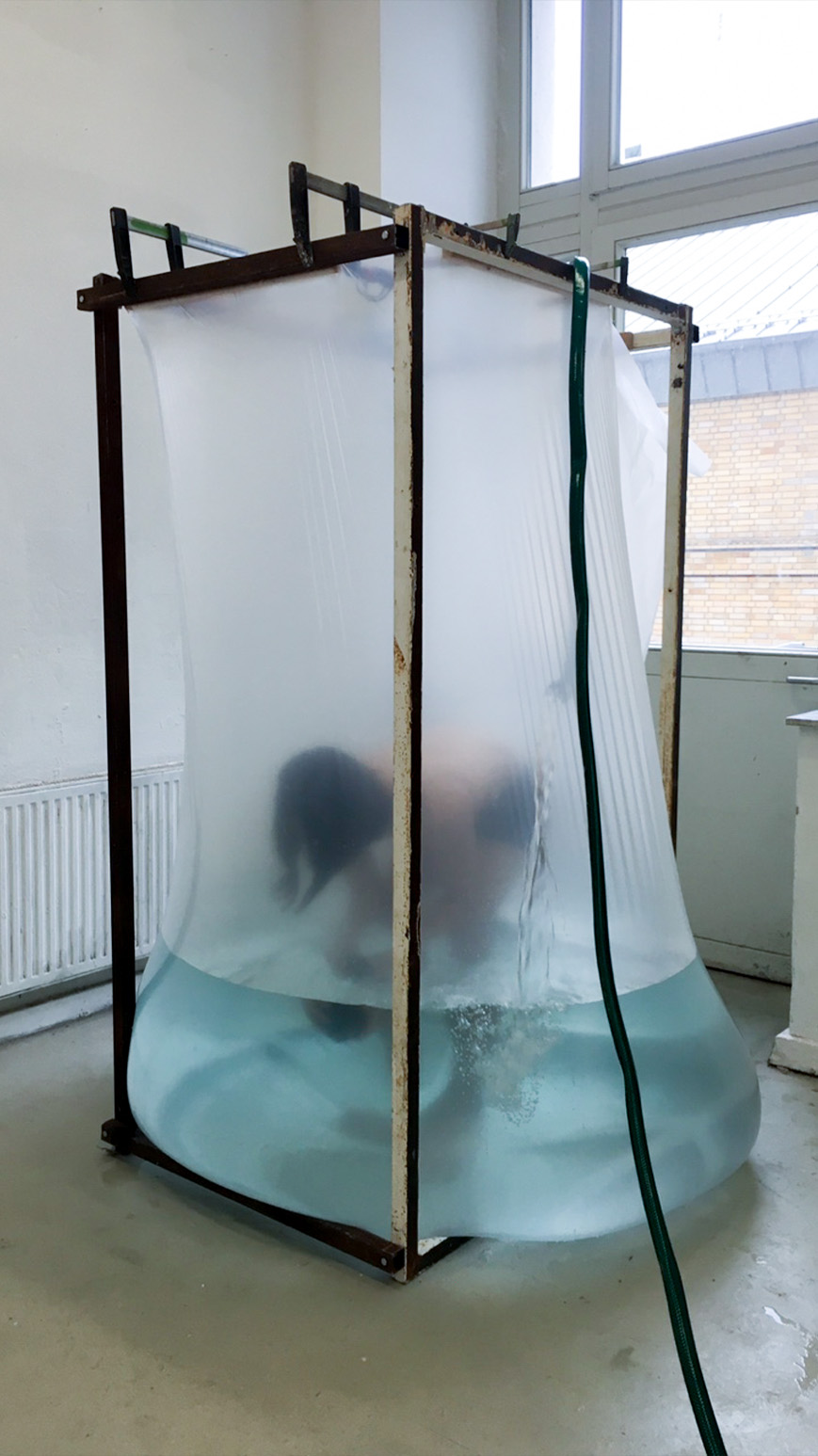
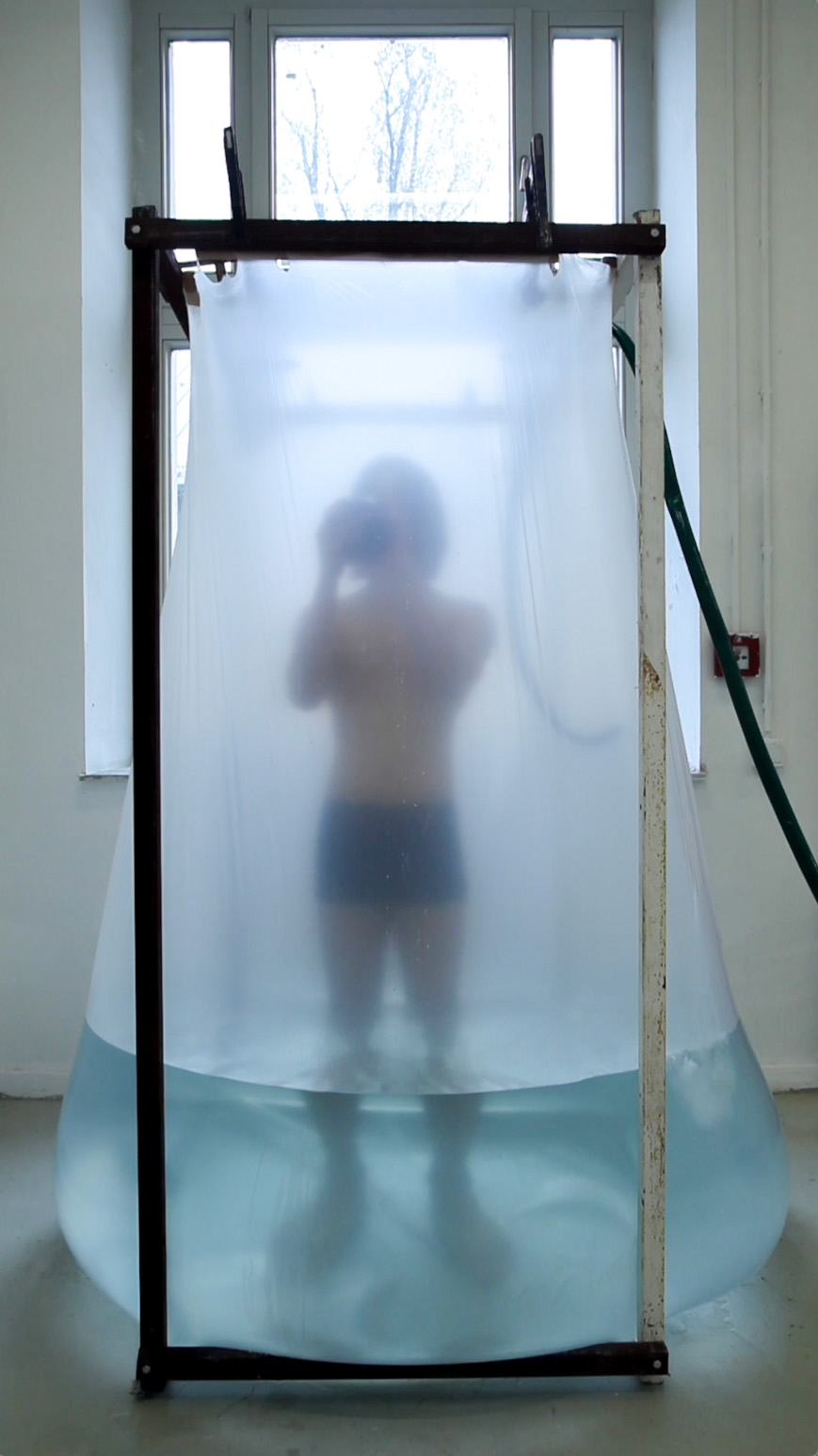
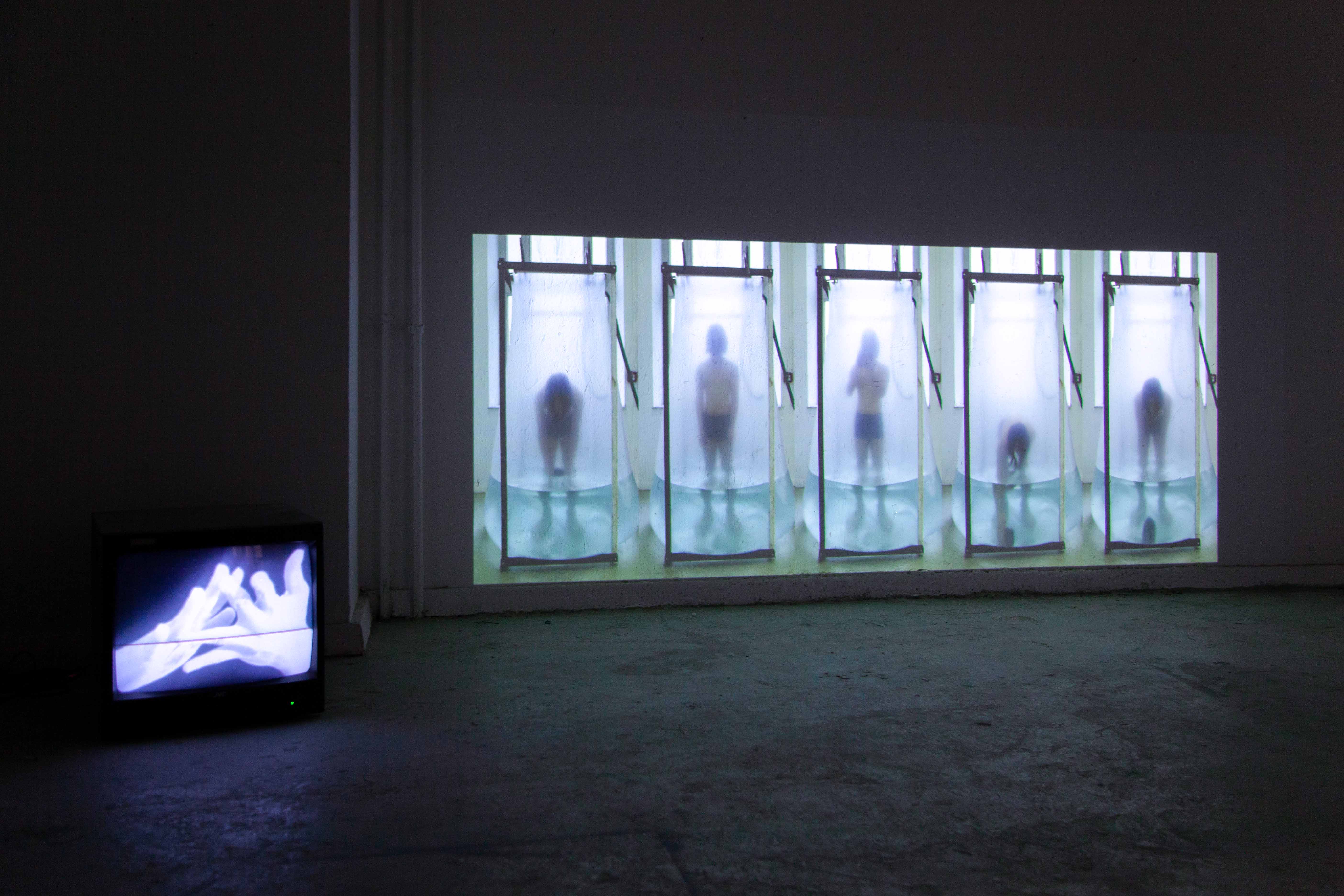
I conducted a performance involving touching stones. Although I was physically separated from the audience, the plastic bag forming the boundary was translucent, allowing both the audience and me to perceive each other to some extent. Inside the bag, water filled up to knee height, and through this, the act of interacting with the stones was categorized into five aspects. First, standing and gazing straight ahead without looking at the stone. Second, looking at a stone placed on the floor, beyond the water's surface. Third, bending down to touch and observe a stone beneath the water's surface. Fourth, pulling a stone up to the water's surface and touching it. Lastly, lifting a stone to eye level, touching and observing it. The performance was successfully filmed and recorded as video up to the intended process; however, the bag subsequently burst under the weight of the water, flooding the school and causing a power outage, thus ending the performance.
돌을 만지는 퍼포먼스를 진행했다. 나는 관객과 물리적으로 분리된 공간에 있었으나, 경계를 이루는 플라스틱 봉투가 빛을 투과하는 성질을 지녀 관객과 나는 서로의 모습을 어느 정도 인지할 수 있었다. 봉투 안에는 물이 무릎 높이까지 차 있었고, 이를 통해 돌과 접촉하는 행위는 다섯 가지 양상으로 구분되었다. 첫째, 돌을 바라보지 않고 선 채로 정면을 응시하는 것. 둘째, 바닥에 놓인 돌을 수면 너머로 바라보는 것. 셋째, 허리를 구부려 수면 아래의 돌을 만지며 바라보는 것. 넷째, 돌을 수면까지 끌어올려 만지는 것. 마지막으로, 돌을 눈높이까지 들어 올려 만지며 바라보는 것이었다. 퍼포먼스는 의도한 과정까지 성공적으로 촬영되어 영상으로 기록되었으나, 이후 봉투가 물의 무게를 견디지 못하고 터지는 바람에 학교가 물바다가 되고 정전이 발생하며 종료되었다.
Ich führte eine Performance durch, bei der ich Steine berührte. Obwohl ich mich in einem physisch vom Publikum getrennten Raum befand, war die als Grenze dienende Plastiktüte lichtdurchlässig, sodass das Publikum und ich uns gegenseitig bis zu einem gewissen Grad wahrnehmen konnten. Im Inneren der Tüte stand das Wasser kniehoch, wodurch die Interaktion mit den Steinen in fünf Aspekte unterteilt wurde. Erstens, stehend geradeaus blicken, ohne den Stein anzusehen. Zweitens, einen auf dem Boden liegenden Stein über die Wasseroberfläche hinweg betrachten. Drittens, sich bücken, um einen Stein unter der Wasseroberfläche zu berühren und zu betrachten. Viertens, einen Stein bis zur Wasseroberfläche heraufziehen und berühren. Und zuletzt, einen Stein auf Augenhöhe heben, ihn berühren und betrachten. Die Performance wurde bis zum beabsichtigten Ablauf erfolgreich gefilmt und als Video dokumentiert; jedoch platzte die Tüte anschließend unter dem Gewicht des Wassers, was zu einer Überschwemmung der Schule und einem Stromausfall führte und die Performance beendete.
2014년의 무더웠던 여름에, 나는 선생님의 부산 작업실에 15제곱미터 가량의 공간을 얻어 그림을 그리고 있었다. 당시 병역 소집을 기다리던 나는 서울의 집을 정리하고 부모님의 집에 들어와 있는 상황이었다. 부모님의 집에서 작업실로 가는 길은 해운대 바다를 지나 재송동에 들어가는 길로, 버스로 35분, 발로는 세 시간 거리였다.
처음에는 선생님이 계신 낮시간에 작업실에 들어가 선생님 옆에서 그림을 그렸지만, 얼마 지나지 않아서는 밤에 작업실에 들어가는 날이 늘었다. 넓은 공간을 혼자서 실컷 쓸 수 있기 때문이었다. 첫 버스가 다니려면 다섯시 삼십분이 되어야 했는데, 날이 밝아오는 시간대에 걷기를 좋아했기 때문에 새벽에 빠져나와 집까지 걸어서 돌아가고는 했다.
나는 서울에서 미술대학에 다녔지만, 한편 노래를 부르거나 글을 쓰는 것을 더 좋아하기도 했다. 그림을 그리는 시간보다 글을 쓰는 시간이나 힐쉬베르거의 서양철학사를 뒤적이고 필사하는 시간이 길었다. 작업실에 혼자 있을 때면 필사한 것을 훑어보고, 일기처럼 사용하던 공책에 세상에 대한 의문을 가득 적었다. 그때의 의문들이란 예를 들어 공간이 존재한다고 말할 수 있냐는 등의 것이었다.
어느날 날짜가 넘어간 늦은 밤에 나는 혼자 있는 작업실에서 맥주를 마시다 날이 밝아오기 전에 작업실을 나섰다. 가로등이 켜진 곳 외에는 거리가 온통 캄캄했지만 두어 시간을 걸어 바다를 지날 때가 된다면 하늘이 푸르스름해질 즘이었다. 나는 걷기 시작했다.
바다에 도착하기 전, 야외 공영 주차장 근처의 불이 켜진 편의점에 들어가 맥주 두 캔과 간식거리를 샀다. 가로수를 양쪽으로 끼고 공영 주차장으로 내려가는 계단에 앉아 맥주를 마셨다. 날이 조금씩 밝아오고 있었다.
내가 앉은 방향으로 오른쪽에 2미터 남짓 되는 크기의 나무가 있었다. 나는 그 나무를 처음 보았지만, 이것이 나와 비슷하거나 약간 차이가 나는 정도로 살았을 것이라 생각했다. 내가 처음으로 식물을 가꾸어본 경험은 그로부터 대략 7년후의 일이어서, 나는 경험보다 상상에 따라 어림잡아 짐작할 뿐이었다. 나무를 만지거니, 나무가 말하는 상상을 하거니 하며 맥주를 다 마시고 나무의 사진을 찍었다. 당시 나는 물질로서 모든 것이 하나의 세상에 '함께' 존재한다는 사실에 심취해 있었는데, 다른 물질 덩어리의 연령에 대한 추측이 유대감을 불러일으켰다. 나는 남은 길을 마저 걸어 집으로 돌아갔다.
몇 년 뒤 독일에 와 처음으로 독일 사람들에게 내가 만드는 것들을 보여주러 뉘른베르크에 가던 때, 나는 떨리는 마음으로 밤 열한시에 출발하는 버스에 올랐다. 새벽이 어스름히 밝던 길에 창밖으로 빠르게 지나가는 처음 보는 나무들을 보며 나는 2014년 여름의 나무를 떠올렸다.
세상에 있는 어떤 것들은 나의 시야에 들어오고, 또다른 어떤 것들은 내가 죽음에 이를 때까지도 내 눈앞에 모습을 드러내지 않는다. 어떤 것들을 보지 못하고 사라지는 나는 무엇일까? 무엇이 우리를 구분하고 함께하게 하는 것일까? 내 앞에 물질로 가는 먼 길이 열리는 기분이 들었다.
서너 살 무렵 나는 마룻바닥에 엉덩이를 깔고 주저앉아 앨범을 넘기다 사진들 속에 선 미혼의 어머니를 발견했다. 어머니가 아버지를 만나기 전의 시대, 어머니와 아버지도 나를 모르던 시대. 그후 나는 때때로 내가 태어나기 전의 시대를 상상했다. 그 시대에는 내가 존재하지 않았지만, 나는 그 시대에 찍힌 사진들을 볼 수 있다는 사실이 묘하게 다가왔다. 어느 과거에 나는 존재하지 않았다. 세상의 어떤 것들은 이미 존재했는데, 또 다른 어떤 것들은 존재하지 않았고, 존재하지 않는 것이 존재하게 되었을 때 그들은 서로를 만날 수 있게 된다. 하지만 삶의 생성이란 어느 모로 생각해 보아도 그 인과를 읊을 수 없는 일이었다. 수정과 죽음의 이야기는 다만 그것을 생물학적 관점에서 설명할 뿐, 있음과 없음의 문제를 알려주지 않았기 때문이다.
2013년 가을, 열여덟 살이 된 나는 미술대학의 과제를 제출하기 위해 전자레인지만한 크기의 돌이 몇 개 필요해져 아현동의 안산을 올랐다. 산 중턱에서 원하는 크기의 돌을 두세 덩어리 찾아 작업실로 옮기기 시작했다. 면허도 수레도 없었던 나는 돌들을 옮기기 위해, 우선 하나를 옮기고 다시 같은 거리를 돌아가 나머지 하나를 들고 더 먼 거리까지 옮기는 일을 반복했다. 오후에 시작한 일이 밤까지 계속되었다. 작업실과 어느정도 가까워졌을 무렵, 돌 하나를 옮겨두고 다른 하나를 옮기기 위해 경사가 낮은 언덕을 오르며 멀리 놓인 돌을 보았다. 돌을 보았더니, 돌도 나를 보고 있는 것만 같은 느낌이 들었다. 돌을 만졌더니 돌도 나를 만지는 것만 같은 느낌이 들었다.
사물을 보거나 만난다는 것은 어떤 의미일까? 어린 시절 나는 내 또래의 아이들과 모래놀이를 했고, 술래잡기를 했고, 눈싸움을 했다. 그들은 나와 비슷한 시기에 태어난 또래들로, 크게는 서너 살쯤 나이차가 났다. 우리 부모님은 나보다 30년 정도 먼저 세상에 나왔고, 조부모님들께서는 그보다 또다시 서른살 정도가 많았다. 나와 친구가 놀았던 모래사장의 모래들은 몇 년 전부터 모래였을까? 모래알들은, 모래로 가공되기 전 암석의 시기를 포함하면 적어도 천 년 이상을 같은 상태로 존재했을 것이다. 나와 친구들은 우리와 우리의 부모, 또 그들의 부모가 태어나기 전부터 있었을 물질들에 둘러싸여, 그들을 잔뜩 만지며 자라온 셈이다. 내가 존재하지 않을 때 수천년을 존재해온 것들이, 내가 존재할 때에도 내 곁에 존재했다. 이것이 가당키나 한 일인가?
돌이 조각나 모래가 되어도 상태가 변하지 않았으니 같은 존재라면, 상태가 변하면 우리는 다른 무엇인가가 되는 것일까? 닭이 죽고 그 살이 내 몸 안에서 근세포가 되거나, 내가 죽어 그 양분의 일부가 먼 바다의 해초들에게 흡수된다든지… 그때 우리는 다른 존재가 되는 것일까? 의식이 사라질 때 비로소 다른 존재가 되는 것이라면 나는 이미 전날 새벽 잠자고 있는 나의 의식조차 상상하지 못하는데, 그렇다면 나는 매일 새로운 존재가 되는 것인가? 마음 속에 자신의 생명에 관한 그 어떤 것도 분명히 그려지지 않는다. 채근담에, 물고기는 물을 얻어 물을 잊는다고.
어느날 오후 나는 늦게 잠에서 깨어 방에 누워 있었는데, 머리맡 책장의 맨 위에 놓인, 거의 천장에 맞닿기 직전인 종이 상자가 눈에 들어왔다. 나는 오래도록 초점 없이 보았던 내 방의 모습을 보았다. 방이 어떻게 펼쳐지고 있는지, 하나의 벽이 어디에서 끝나는지, 어떤 사물이 어떤 모습으로 빛을 받고 또 반사하고 있는지. 누워있는 내 다리쯤 오는 위치에는 작은 테이블이 있었다. 나는 테이블의 모서리를 약하게 어루만졌는데, 이 모든 일이 불가능하다는 생각이 들었다. 불과 십여 분 전까지 잠에 빠져있던 나에게 몸이 생기더니, 돌연 미지의 사물들을 보고, 또 만질 수 있다니, 가당하지 않은 일이다. 그렇게 생각했다.
오랜 시간 움직이지 않고 누워있던 나는 어느 순간 내 자세를 잊는다. 내 다리가 어떻게 누워 있는지, 발등은 어디를 향하는지, 또는 어느 부분에서 어느 부분까지가 이불과 닿아있는지를 나는 잊는다. 그리고 처음으로 다시 다리를 움직이면, 발등은 천장의 왼쪽 부분을 향하고 있었다든지, 왼쪽 무릎에는 이불이 덮여있지 않다든지 하는 사실들을 알게 되는 것이다. 그러니 나는 내가 주어지는 곳의 위치를 재어 본다면 당장 움직임이 있는 곳, 또는 접촉이 있는 곳을 말하게 되는 것이었다. 나는 그 어름*을 몸과 사물 사이의 어름이기보다 정신과 정신 사이의 어름이기를 더욱 자주 요구했다. 신체를 내 정신과 공간의 어름으로, 손끝을 나의 어린 정신과 암석의 역사 사이의 어름으로 상상했다. 따라서 어름에 이런 의미를 부여하고 상상하는 일은 상술한 대로 가당치 않은 일이 일어나는 무대가 되기도 한다. 존재하지 않았던, 하지만 존재하는 어느 생명을 만나거나 내가 존재하지 않았던 시간에 존재하고 있었던 물질을 만나는 일. 예를 들면, 내가 태어나기 전에 있던 것과 내가 태어난 후에 자라난 것을 양손에서 각각 만나는 것조차 가능해진다. 나는 이 둘을 돌과 풀로 상징해, 2019년에 〈저기에 있는 돌은 내가 태어나기 이전에 있었고, 여기에는 내가 태어난 이후에 풀이 자랐다.〉라는 제목의 비디오를 제작했다. 독일에서 제작했기 때문에 독어로 말하는 나레이션이 삽입되었는데, 외국어가 서툰 자신이 부끄러워서 이 영상을 보는 일은 나에게 언제나 괴롭다.
2017년에 나는 병역을 마치고 대학으로 돌아갔다. 복학후 얼마 지나지 않아 서울생활에 아쉬움을 느낀 나는 그해 가을에는 이미 도독 준비로 마음이 붕 떠 있었다. 4학기의 종료를 앞두고 나는 작업을 하지 않았다. 대신에 오랫동안 생각해오던 것들을 어떠한 형태로 구현해보기로 했다.
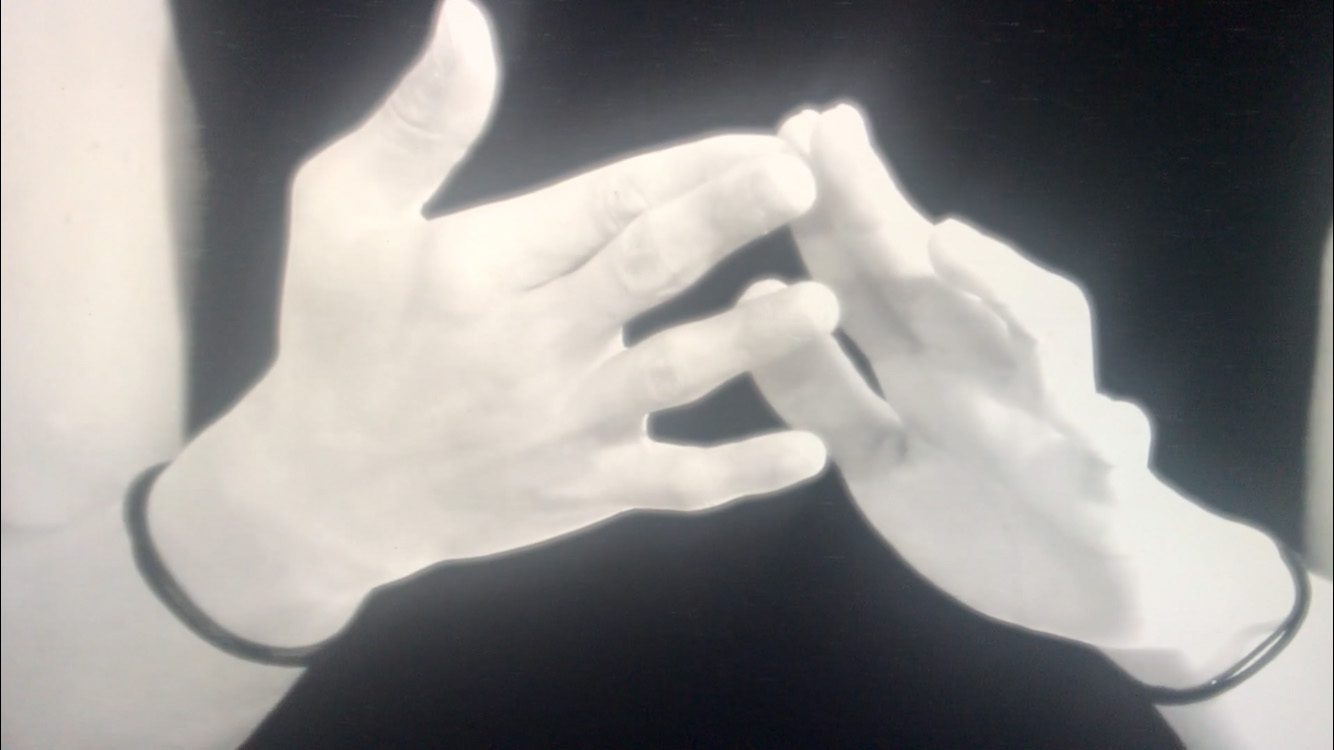
나는 우선 주먹만 한 크기의 조경용 돌을 10킬로 정도 구입했다. 그리고 서교동에 위치한 다섯 평 남짓한 방에서 그것들을 하나하나 꺼내어 만져댔다. 돌 하나를 양손으로 쓰다듬으며 만지기도, 여러 개의 돌을 서로 딱딱 부딪히게끔 문지르며 만지기도 했다. 그것은 2013년과 2014년의, 나무와 돌을 보고 만지며 느꼈던 감각을 다시 떠올리려는 시도이기도 했다. 하지만 동시에 지난 감각을 다시 불러일으키려는 생각에 매몰되지 않으려 애썼다. 나는 방에서, 몸에서 그리고 손에서 새로운 돌을 만나고 있었다. 그리고 그 과정을 비디오로 촬영했다.
해당 학기에 나는 고영택 선생님이 진행하던 한 프로젝트성 수업에 참여하고 있었다. 그 강의는 〈공간과 프로세스〉라는 이름을 가지고 있었지만, 실제로는 모든 학생들이 각기 자유로운 매체를 이용해 작업을 진행하고 피드백을 교환할 수 있는 일종의 워크샵-콜로키움-세미나였다. 나는 이 콜로키움을 이용해 〈*어름〉이라는 제목의 렉쳐 퍼포먼스를 시도했다. 당시 내가 어름에 관해 작성한 글들이나 돌들을 만지며 촬영한 비디오 등을 스크린에 영사하며, 물질들의 -또는, 물질들의 역사들의- 충돌과 어름의 감각을 나누는 일이었다.
그런 방법으로 나는 세미나를 통해서 한 번, 담당교수님과의 면담을 통해서 한 번, 그리고 부산의 오랜 친구가 서울에 방문했을 때를 통해서 한 번, 총 세 번 어름의 감각을 공유하는 작업을 시도했다. 세 번의 시도는 각각 스크린을 앞에 두거나, 영상을 상영할 컴퓨터를 두거나, 어떠한 기계적 영상 없이 돌을 사이에 두고 진행했다. 그리고 어름에 대해 이야기하기 전에는 상대방에게 손에 잡히는 물건을 잡고 만지고 있기를 요구한 뒤 이야기를 이었다. 세 번 모두 긴 이야기들이 오갔고, 어떻게 이런 일이 일어날 수 있는가? 의 물음에는 세 번 모두 답이 생기지 않았다.
서울의 방을 정리하고 독일로 떠나기 전, 나는 돌들을 가방에 담아 인천의 바다에 갔다. 선녀바위라는 것이 있는 바다에서 돌들을 물 아래로 내려두었다. 인터넷 주문으로 쉽게 내 손에 들어온 돌들이, 움직임 한 번에 손을 떠나 공중을 붕 뜨는가 싶더니, 파도에 빨려들어가듯 한순간 수면을 짧게 흔들며 보이지 않는 곳으로 사라졌다.
*어름이라는 단어는 순 한국어이나 오늘날 일상에서는 곧잘 쓰이지 않게 되어서 그에 관해 이야기할 때면 발음이 거의 같은 '얼음'으로 착각해 듣는 경우를 겪고 있다. 표준국어대사전에 따르면 어름은 사물들 간의 경계 또는 끝이 맞닿은 자리를 지칭한다.
Im heißen Sommer 2014 erhielt ich in dem Atelier meines Lehrers in Busan einen Raum von etwa fünfzehn Quadratmetern, in dem ich malte. Ich wartete damals auf meine Einberufung zum Militärdienst, hatte meine Wohnung in Seoul aufgegeben und war vorübergehend zu meinen Eltern gezogen. Der Weg von ihrem Haus zum Atelier führte über den Strand von Haeundae nach Jaesong‑dong; fünfunddreißig Minuten mit dem Bus, drei Stunden zu Fuß.
Zunächst arbeitete ich tagsüber, während mein Lehrer im Atelier war, und malte neben ihm. Doch bald ging ich immer häufiger nachts hin. Den großen Raum allein benutzen zu können war verlockend. Der erste Bus fuhr erst um fünf Uhr dreißig, und weil ich es mochte, in der Morgendämmerung zu laufen, brach ich oft im Dunkeln auf und ging zu Fuß nach Hause.
Obwohl ich an einer Kunsthochschule Malerei studierte, zog ich es manchmal vor zu singen oder zu schreiben. Ich verbrachte mehr Zeit mit dem Schreiben oder dem Abschreiben aus Hilleschbergers Geschichte der westlichen Philosophie als mit Malen. Wenn ich allein im Atelier war, sah ich die abgeschriebenen Stellen durch und füllte ein Notizbuch – das ich wie ein Tagebuch benutzte – mit Fragen über die Welt. In diesen Tagen waren es Fragen wie: Kann man sagen, dass Raum existiert?
Eines Nachts, nach Mitternacht, verließ ich das Atelier nach ein paar Bieren. Abseits der Straßenlaternen war es völlig dunkel, aber nach zwei Stunden Fußweg, wenn ich das Meer erreichte, begann der Himmel bereits bläulich zu werden. Ich begann zu laufen.
Bevor ich zur Küste kam, trat ich in einen beleuchteten Convenience‑Store beim Parkplatz und kaufte zwei Dosen Bier und ein paar Snacks. Ich setzte mich auf die Treppe, die zum Parkplatz hinunterführte, flankiert von Straßenbäumen, und trank. Das Licht nahm zu.
Zu meiner Rechten stand ein kleiner Baum, kaum zwei Meter hoch. Ich hatte ihn nie zuvor gesehen, doch ich stellte mir vor, dass er ungefähr so lange gelebt hatte wie ich, vielleicht etwas länger oder kürzer. Ich hatte noch nie eine Pflanze gepflegt – das sollte erst sieben Jahre später geschehen – und meine Einschätzung beruhte eher auf Vorstellung als Erfahrung. Ich berührte den Baum, stellte mir vor, wie er spräche, trank mein Bier aus und machte ein Foto. Damals war ich fasziniert von der Vorstellung, dass alles Materielle in derselben Welt „zusammen" existiert; das Schätzen des Alters eines anderen Materialkörpers erzeugte eine Art Verbundenheit. Danach setzte ich meinen Weg fort und ging nach Hause.
Einige Jahre später, als ich nach Deutschland gekommen war und zum ersten Mal meine Arbeiten zeigen sollte, fuhr ich nach Nürnberg. Ich stieg in einen Bus, der um 23 Uhr abfuhr, mit zitternden Händen. Als die Morgendämmerung einsetzte und fremde Bäume schnell am Fenster vorbeizogen, dachte ich an den Baum aus dem Sommer 2014.
Manche Dinge der Welt gelangen in mein Blickfeld, und andere werden mir bis zu meinem Tod nie erscheinen. Was bedeutet es, dass ich jemand bin, der vergeht, ohne manche Dinge je gesehen zu haben? Was trennt uns, was verbindet uns? Ich hatte das Gefühl, dass sich ein langer Weg in die Welt der Materie vor mir auftat.
Mit drei oder vier Jahren saß ich auf dem Fußboden und blätterte in einem Fotoalbum, als ich meine unverheiratete Mutter sah. Eine Zeit, bevor sie meinen Vater traf; eine Zeit, in der beide mich nicht kannten. Danach stellte ich mir oft die Zeit vor meiner Geburt vor. Obwohl ich damals nicht existierte, konnte ich Fotografien dieser Zeit sehen – das erschien mir merkwürdig. In irgendeiner Vergangenheit hatte ich nicht existiert. Einige Dinge der Welt existierten bereits, andere nicht; und erst wenn etwas, das nicht existierte, zu existieren begann, konnten sie einander begegnen. Aber der Ursprung des Lebens ließ sich nicht kausal erzählen. Zeugung und Tod erklären nur den biologischen Ablauf, nicht das Problem von Sein und Nichtsein.
Im Herbst 2013, als ich achtzehn war, brauchte ich für eine Hochschulaufgabe einige Steine von der Größe einer Mikrowelle und stieg in Ahyeon‑dong den Ansan hinauf. Auf halber Höhe fand ich zwei oder drei passende Steine und begann, sie ins Atelier zu tragen. Ich hatte weder Führerschein noch Karren. Ich trug einen Stein ein Stück weit, ging zurück, holte den anderen und trug ihn noch weiter – und wiederholte das immer so weiter. Was am Nachmittag begann, dauerte bis in die Nacht. Als ich dem Atelier näherkam, hatte ich einen Stein abgesetzt, stieg eine niedrige Böschung hinauf, um den anderen zu holen, und sah ihn aus der Ferne. Im Moment des Sehens hatte ich das Gefühl, der Stein sehe mich auch. Als ich ihn berührte, hatte ich das Gefühl, er berühre mich.
Was bedeutet es, ein Ding zu sehen oder ihm zu begegnen? Als Kind spielte ich im Sand, spielte Fangen, warf Schneebälle. Die Kinder waren etwa in meinem Alter, höchstens drei Jahre Unterschied. Meine Eltern waren etwa dreißig Jahre vor mir geboren, ihre Eltern nochmals dreißig früher. Wie lange hatten die Sandkörner am Strand existiert? Sicher jahrhundertelang, wenn man die Zeit der Felsen vor ihrer Zersetzung einrechnet. Meine Freunde und ich wuchsen umgeben von Materie auf, die lange vor uns existiert hatte, und berührten sie ständig. Dinge, die Jahrtausende vor meiner Existenz existiert hatten, existierten auch, während ich existierte. Wie kann das sein?
Wenn ein Stein zerbricht und zu Sand wird und dennoch derselbe bleibt – werden wir dann zu etwas anderem, wenn unser Zustand sich ändert? Wenn ein Huhn stirbt und sein Fleisch in meinem Körper zu Muskelzellen wird, oder wenn ich sterbe und Teile meines Körpers von Seegras aufgenommen werden – werden wir dann andere Wesen? Wenn man erst dann ein anderes Wesen wird, wenn das Bewusstsein verschwindet, ich aber nicht einmal mein Bewusstsein der vergangenen Nacht im Schlaf vorstellen kann – werde ich dann jeden Tag ein neues Wesen? Mein Geist kann kein klares Bild meines eigenen Lebens halten. In den Vegetable Roots Discourses heißt es: Ein Fisch, der Wasser erhält, vergisst das Wasser.
Eines Nachmittags wachte ich spät auf und blieb im Zimmer liegen. Mein Blick fiel auf einen Karton auf dem obersten Regal, fast an der Decke. Ich sah das Zimmer, ohne Fokus. Wie der Raum sich öffnete, wo eine Wand endete, wie die Gegenstände Licht empfingen und reflektierten. Ein kleiner Tisch stand bei meinen Beinen. Ich strich über die Ecke. Es erschien mir unmöglich. Zehn Minuten zuvor hatte ich geschlafen. Nun hatte ich einen Körper, konnte unbekannte Dinge sehen und berühren – es schien unberechtigt, dass dies möglich war.
Wenn ich lange unbewegt liege, vergesse ich irgendwann meine eigene Haltung. Wie meine Beine liegen, wohin meine Füße zeigen, welche Stellen die Decke berührt. Erst wenn ich mich wieder bewege, erfahre ich, dass meine Füße zur linken Decke wiesen oder mein Knie unbedeckt war. Würde ich den Ort nennen, an dem ich gegeben bin, müsste ich immer nur den Ort der Bewegung oder der Berührung nennen. Ich wollte, dass Eoreum – die Grenze – nicht nur zwischen Körper und Objekt lag, sondern zwischen Geist und Geist. Ich stellte mir den Körper als Grenze zwischen Geist und Raum vor, die Fingerspitzen als Grenze zwischen meinem jungen Geist und der Geschichte eines Felsens. Diese Vorstellung wurde zur Bühne für das Unmögliche: einem Leben zu begegnen, das nicht existiert hatte, aber nun existiert, oder eine Materie zu berühren, die vorhanden war, bevor ich war. So konnte ich in einer Hand etwas halten, das vor meiner Geburt existierte, und in der anderen etwas, das nach meiner Geburt gewachsen war. Ich symbolisierte dies durch Stein und Gras und produzierte 2019 ein Video: ›Der Stein dort drüben existierte, bevor ich geboren wurde, und hier ist Gras gewachsen, nachdem ich geboren wurde.‹ Die Erzählung war auf Deutsch, da ich es in Deutschland produzierte; es ist mir bis heute unangenehm, weil mir meine ungelenke Sprache peinlich ist.
2017, nach meinem Militärdienst, kehrte ich an die Hochschule zurück. Bald danach fühlte ich mich in meinem Leben in Seoul unwohl, und schon im Herbst dachte ich daran, nach Deutschland zu gehen. Gegen Ende des vierten Semesters arbeitete ich nicht. Stattdessen versuchte ich, lange gehegte Gedanken in eine Form zu bringen.
Ich kaufte zehn Kilo Landschaftssteine, je etwa faustgroß. In einem kleinen Zimmer in Seogyo‑dong nahm ich sie heraus und tastete sie ab. Ich strich mit beiden Händen über einen Stein, rieb mehrere gegeneinander. Es war ein Versuch, die Empfindungen der Jahre 2013 und 2014 wieder zu rufen, als ich Bäume und Steine gesehen und berührt hatte. Gleichzeitig versuchte ich, mich nicht völlig in der Wiederholung vergangener Empfindungen zu verlieren. Ich begegnete neuen Steinen, im Raum, im Körper, in meinen Händen. Ich filmte den Vorgang.
In diesem Semester nahm ich an einem projektorientierten Kurs von Professor Ko Youngtaek teil. Der Kurs hieß Raum und Prozess, war aber in der Praxis ein Workshop‑Kolloquium‑Seminar, in dem Studierende mit freien Medien arbeiteten und Feedback austauschten. Dort versuchte ich eine Art Lecture‑Performance mit dem Titel 〈*Eoreum〉. Ich projizierte Texte über Eoreum und Videos, in denen ich Steine berührte, und teilte das Gefühl von Kollisionen – oder von Grenzen – zwischen Materialien oder ihren Geschichten.
So versuchte ich dreimal, das Gefühl von Eoreum zu teilen: einmal im Seminar, einmal im Gespräch mit dem Professor, einmal mit einem Freund aus Busan, der mich in Seoul besuchte. Jedes Mal anders: einmal vor einer Leinwand, einmal nur mit einem Laptop, einmal ohne Bilder, nur mit Steinen zwischen uns. Vor dem Sprechen bat ich die andere Person, etwas in den Händen zu halten. Es waren jedes Mal lange Gespräche, und die Frage Wie ist so etwas möglich? blieb jedes Mal ohne Antwort.
Bevor ich Seoul verließ und nach Deutschland ging, packte ich die Steine in eine Tasche und fuhr ans Meer in Incheon, zu einem Ort namens Seonnyeo‑Felsen. Ich legte die Steine ins Wasser. Die Steine, die so leicht durch eine Online‑Bestellung in meine Hände gelangt waren, schienen bei einer einzigen Bewegung kurz in die Luft zu steigen und verschwanden dann, vom Wellensog erfasst, mit einer kurzen Bewegung der Wasseroberfläche, im Unsichtbaren.
*Das Wort eoreum ist ein rein koreanischer Ausdruck, wird jedoch im heutigen Alltag kaum noch verwendet. Deshalb verwechseln viele Menschen es, wenn ich darüber spreche, mit eoreum im Sinne von „Eis", das fast gleich ausgesprochen wird. Laut dem Standardwörterbuch der koreanischen Sprache bezeichnet eoreum die Grenze zwischen Dingen oder die Stelle, an der sich ihre Enden berühren.
In the hot summer of 2014, I had been given a space of about fifteen square meters in my teacher's studio in Busan, and I painted there. I was waiting for my military service summons at the time, had cleared out my place in Seoul, and moved back to my parents' home. The route from their house to the studio passed Haeundae Beach and entered Jaesong-dong; thirty‑five minutes by bus, three hours on foot.
At first, I worked during the day while my teacher was in the studio, painting beside him. But before long I began going there at night. It was simply better to have the whole large space to myself. The first bus did not run until five‑thirty, and because I liked walking when the sky was starting to brighten, I often left at dawn and walked home.
Although I was studying painting at an art college in Seoul, I preferred singing or writing, in a way. I spent more time writing or copying passages from Hilleschberger's History of Western Philosophy than painting. When I was alone in the studio, I read over what I had copied and filled my notebook—used like a diary—with questions about the world. At that time, the questions were things like whether space can be said to exist.
One night, after midnight, I left the studio after drinking beer alone. Except for where the streetlights were lit, the streets were completely dark, but by the time I walked for a couple of hours and reached the sea, the sky would have taken on a faint blue. I began walking.
Before reaching the sea, I entered the convenience store by the outdoor public parking lot and bought two cans of beer and some snacks. I drank on the stairs that led down to the parking lot, with rows of street trees on both sides. The sky was beginning to lighten.
To my right was a small tree, no more than two meters tall. I had never seen it before, but I thought it must have lived roughly as long as I had, give or take. I had not yet grown a plant of my own—that would happen seven years later—so I only guessed, roughly, according to imagination rather than experience. I touched the tree, imagined it speaking, finished my beer, and took a photograph of it. At the time, I was absorbed by the idea that, as material, everything "co‑exists" in one world; trying to guess the age of another material body gave me a sense of kinship. I finished the walk home.
Years later, when I first came to Germany and traveled to Nuremberg to show my work to people here, I boarded a bus that departed at eleven p.m., my hands trembling. As dawn began to show and trees I had never seen before rushed past the window, I thought of that tree from the summer of 2014.
Some things in the world enter my field of vision, while others will never appear before me, even until death. What does it mean that I am someone who disappears without seeing certain things? What separates us, and what lets us be together? I felt as if a long path into the material world had opened before me.
When I was three or four, I sat on the floor, flipping through an album, and discovered photographs of my mother before she was married. A time before she met my father; a time when neither of them knew me. After that, I often imagined the era before I was born. Although I did not exist in that era, I could see photographs taken in it—this struck me as strange. In some past, I had not existed. Certain things in the world already existed, and others did not; and when something that did not exist came to exist, they could finally encounter one another. Yet the process of life's emergence could not be stated in terms of cause. Conception and death explained only the biological sequence, not the problem of being and non‑being.
In the fall of 2013, when I was eighteen, I needed a few stones about the size of a microwave oven for a school assignment and climbed Ansan in Ahyeon‑dong. I found two or three stones of the right size halfway up the mountain and began carrying them to the studio. I had no license, no cart. I carried one stone a certain distance, went back to fetch another, and carried it farther, repeating this over and over. What began in the afternoon continued into the night. When I was near the studio, having set one stone down and climbing a low slope to retrieve the other, I looked at the stone from afar. Seeing the stone, I felt the stone saw me. Touching the stone, I felt the stone touching me.
What does it mean to see or encounter a thing? As a child I played in sand with my peers, played tag, had snowball fights. They were children born around the same time as me, at most two or three years apart. My parents were born about thirty years before me, and my grandparents another thirty before that. How many years had the sand of that beach existed? The grains must have been there for at least a thousand years, including the time before the rocks were broken into sand. My friends and I grew up surrounded by matter that had existed long before us, and we touched it constantly. Things that had existed for thousands of years before I existed also existed beside me when I did exist. Was this possible?
If a stone breaks and becomes sand yet remains the same being, then when something changes state, do we become something different? If a chicken dies and its flesh becomes my muscle cells, or if I die and part of my substance is absorbed by seaweed in a faraway sea—are we then different beings? If one becomes a different being only when consciousness disappears, and I cannot even imagine my own consciousness from the night before while I slept, then am I a new being every day? No image of my own life stands clearly in my mind. In The Vegetable Roots Discourse it says that a fish, having obtained water, forgets the water.
One afternoon I woke late and lay in my room, looking at a cardboard box placed on the highest shelf, almost touching the ceiling. I saw, without focus, the room I had been looking at for years. How the room unfolded, where a wall ended, how objects received and reflected light. A small table stood near my legs. I brushed the corner lightly. It felt impossible that this was happening. Only minutes before, I had been asleep. Suddenly I had a body, and I could see and touch unfamiliar objects—this seemed unreasonable.
After lying still for a long time, I often forgot my own posture. How my legs were placed, which direction my feet pointed, which parts of my body were touching the blanket. Moving again for the first time, I discovered that my feet were pointing to the left section of the ceiling, or that my left knee was uncovered. If I were to mark the place where I was given, I would speak only of where movement or contact occurred. I wanted Eoreum—the boundary—to be not only between body and object but between mind and mind. I imagined the body as the boundary between my mind and space, my fingertips as the boundary between my young mind and the history of a rock. To imagine such a boundary was to create a stage for impossible events: meeting a life that did not exist but does exist now, or touching a material that existed before I did. For example, holding in one hand something from before my birth and in the other something that grew after I was born. I symbolized these with stone and grass and made a video in 2019 titled 〈The Stone Over There Existed Before I Was Born, and the Grass Here Grew After I Was Born.〉 The narration was in German, because I made it in Germany, and I still find it painful to watch, embarrassed by my awkward use of the language.
In 2017, after completing my military service, I returned to college. Not long after, I felt uneasy about returning to life in Seoul, and by that autumn I was already floating, thinking about going to Germany. Approaching the end of my fourth semester, I did not make any work. Instead, I decided to give shape to thoughts I had carried for a long time.
I bought about ten kilograms of landscaping stones, each about the size of a fist. In a small room in Seogyo‑dong, about five pyeong, I took them out one by one and touched them. I stroked one stone with both hands, rubbed several stones together so they clicked and scraped. It was an attempt to recall the sensations of 2013 and 2014, when I had seen and touched trees and stones. But I also tried not to cling to awakening past sensations. I met new stones, in the room, in the body, in my hands. I filmed the process.
That semester I was enrolled in a project‑based course taught by Professor Ko Youngtaek. The course was called Space and Process, but in practice it was a workshop‑colloquium‑seminar where students worked freely in various media and exchanged feedback. I used that colloquium to attempt a lecture‑performance titled 〈*Eoreum〉. I projected writings I had made about Eoreum and videos of myself touching stones, sharing the sense of collision—and of boundaries—between materials or their histories.
Through this, I attempted three times to share the sense of Eoreum: once in the seminar, once in a meeting with the professor, and once when an old friend from Busan visited Seoul. Each time it was different: once in front of a screen, once with only a laptop, once without any image, only stones placed between us. Before speaking, I always asked the other person to hold something in their hands. Each time we talked for a long time, and the question—How is such a thing possible?—never received an answer.
Before leaving Seoul for Germany, I packed the stones in a bag and went to the sea at Incheon, to a place with a rock called Seonnyeo Rock. I placed the stones in the water. The stones, which had arrived easily at my hands through online shopping, seemed for a moment to rise into the air with a single movement, then disappeared into the invisible at the pull of the waves, briefly disturbing the surface as they went.
*The word eoreum is a native Korean term, but it is no longer commonly used in everyday language, so when I talk about it, people often mistake it for eoreum meaning "ice," which is pronounced almost the same. According to the Standard Korean Language Dictionary, eoreum refers to the boundary between things or the place where their edges meet.
Statements
Jehoon Yii (이제훈 Lee, Jehoon)
Education
Exhibitions
Solo
Group